Composite cladding continues to reshape how designers and contractors approach exterior walls. With a strong balance of function and form, it offers durable, low-maintenance protection in a wide range of climates and architectural styles. Builders looking for long-term performance without constant upkeep are increasingly turning to composite cladding.
Why Composite Cladding Meets Today’s Exterior Demands
Composite cladding has emerged as a practical solution for both residential and commercial exteriors. Blending wood fibers with recycled polymers, it resists decay, pests, and color fading better than many traditional options. Unlike natural wood, it doesn’t require sealing, staining, or sanding to maintain visual appeal.
Its appeal stems from both its reliability and design flexibility. Available in varied profiles and finishes, these boards suit everything from minimalist builds to richly textured modern elevations. Because they hold their color in high UV environments, composite options also reduce the need for periodic refinishing, lowering long-term labor demands.
How Material Composition Influences Performance
These systems are made from engineered compounds that optimize durability while mimicking the appearance of timber. Reclaimed sawdust or wood flour is often combined with recycled polyethylene or polypropylene to form a dense, dimensionally stable product.
Beyond structural integrity, these materials resist expansion, contraction, and moisture intrusion. This makes them suitable for climates with heavy rainfall, high humidity, or prolonged freeze-thaw cycles. Some profiles even incorporate UV inhibitors to reduce the risk of fading over time.
Visual Consistency and Design Flexibility Across Projects
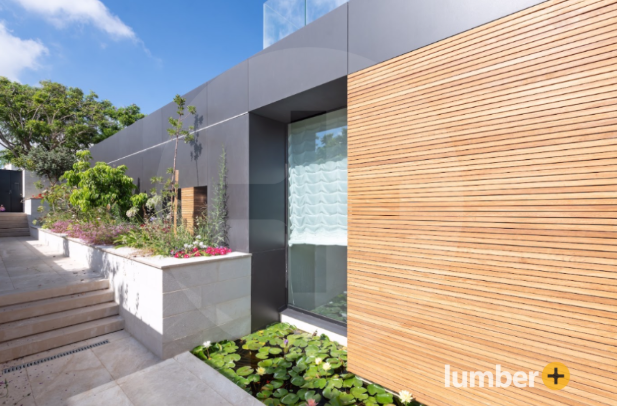
Composite boards are manufactured with uniform color and texture, which helps maintain clean lines across the façade and reduces visible seams. Options range from wide-plank designs that suit horizontal installs to textured panels that create dynamic vertical or diagonal patterns.
Boards can be embossed to mimic exotic hardwoods or finished in soft matte tones that align with minimalist design cues. Because every product is machine-made, colors remain consistent across lots, and textures don’t vary unpredictably as they might with natural materials.
Evaluating Durability Across Climates and Conditions

Performance under stress is one of the reasons specifiers often shortlist composite wall systems. These materials maintain stability through extreme weather cycles, including temperature swings and direct sun exposure. Unlike vinyl, they won’t deform under heat, and unlike wood, they resist swelling from moisture.
This durability also makes them ideal for dense urban settings and high-contact installations where resistance to scratches, dents, or surface wear is essential. Facilities with frequent public interaction, like schools or office parks, benefit from this impact tolerance without sacrificing curb appeal.
Fire Performance Standards for Multi-Unit Applications
In multi-unit residential construction, fire-rated materials are often required by code. Lumber Plus’s Norx Paris Collection is tested to ASTM E84 standards and achieves a Class A fire rating, indicating low flame spread and smoke development. This classification makes it suitable for assemblies where ignition resistance and fire performance are key design criteria.
Installation Efficiency and Compatibility with Modern Building Methods
Many composite cladding boards are designed with interlocking edges or tongue-and-groove profiles, streamlining the installation process. Contractors benefit from reduced material waste, fewer field modifications, and clean alignment across façades.
Because these systems work well with ventilated rainscreens and insulation-backed wall assemblies, they align with evolving energy codes and passive house principles. Lighter weight also simplifies handling and attachment compared to cementitious systems, especially on retrofit jobs.
Sustainable Attributes That Support Long-Term Goals
Today’s projects often target energy-efficient outcomes and reduced embodied carbon. The recycled content in composite wood cladding supports these goals, as does its longevity. Fewer replacements mean less material entering the waste stream and less frequent labor use over time.
Many systems also meet low-VOC manufacturing standards, making them safer for both installers and end users. For buildings seeking LEED certification, this material can contribute to credits in categories like Materials and Resources and Indoor Environmental Quality.
Where Composite Cladding Fits into Contemporary Façade Systems

These panels are highly adaptable and frequently used in combination with rigid insulation, air barriers, and continuous furring systems. This flexibility allows architects to balance aesthetic requirements with performance targets, particularly in mid-rise and light commercial construction.
Standardized trim kits and accessories also simplify edge conditions and window detailing. For full façades or smaller accent areas, composite systems can align with code-compliant thermal envelopes and help reduce thermal bridging at attachment points.
Design Integration Resources for Project Planning
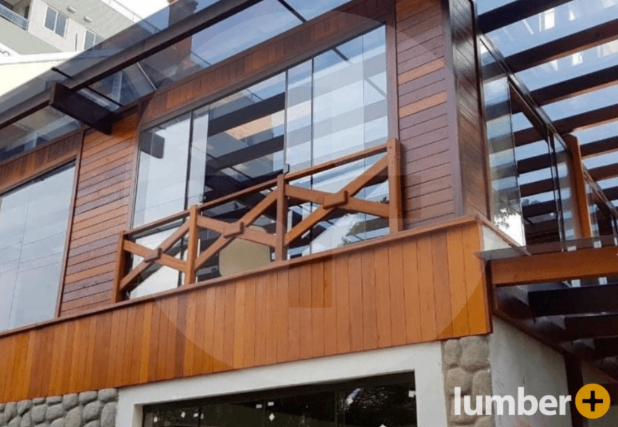
Material performance is important, but selecting the right cladding also means considering how it fits into the project’s layout, installation process, and exterior system. Today’s composite cladding systems are featured across a wide range of contemporary layouts, including vertical, horizontal, and mixed-orientation installations in both residential and commercial settings.
For those comparing product categories, understanding the practical distinctions between cladding and siding applications can help clarify attachment methods, drainage approaches, and visual expectations. These insights are especially useful when coordinating assemblies with existing wall systems or mixed-material façades.
Why Builders Choose Lumber Plus for Composite Cladding
Lumber Plus supplies composite materials engineered for visual consistency, long-term durability, and efficient installation across a variety of project types. From wide-board formats to colorfast finishes, every product reflects a commitment to quality and long-term building value. Contact us today for more information.