Architects and builders face increasing pressure to specify siding systems that meet both performance and appearance targets. The two most common options—composite and vinyl—each come with trade-offs that affect lifecycle value, installation complexity, and building performance. This article compares composite siding vs vinyl in depth to help guide material selection.
Material Composition and Baseline Behavior
Material selection doesn’t just determine what a building looks like — it affects how the cladding handles thermal movement, surface wear, and environmental stress over time. These performance characteristics become particularly important when evaluating composite siding vs vinyl for long-term durability.
Why Siding Composition Affects Performance
The selection of siding significantly influences a building’s long-term performance. Exterior cladding must manage weather exposure, support structural demands, and contribute to insulation—all at once. While appearance drives interest, it’s the underlying properties of each material that determine field success.
Vinyl Siding and Its Base Limitations
Vinyl siding is manufactured from rigid PVC and has long served as a budget-friendly option for residential and multi-unit applications. It installs quickly and weighs less than many alternatives, but it’s sensitive to temperature swings and impact. Expansion and contraction can lead to warping if installation tolerances aren’t precisely maintained.
Engineered Cladding’s Advantage
Engineered blends of wood fiber, resin, mineral fillers, or polymer binders form the core of many advanced cladding materials. These boards are denser, more dimensionally stable, and better suited to demanding climates. Because of their engineered core, they tend to resist moisture, cracking, and UV degradation far more effectively than vinyl systems.
Cost Comparison Over Lifecycle
While vinyl siding is often selected for its lower upfront price, this section examines how premium composite systems—particularly engineered options designed for stability and weather resistance—can reduce lifecycle costs and offer stronger long-term value across diverse project conditions.
Upfront Pricing Differences
At first glance, composite siding vs vinyl cost may appear to favor vinyl. Entry-level vinyl siding remains one of the least expensive options available on a per-square-foot basis. But lifecycle cost analysis tells a more complete story.
Maintenance Burden with Vinyl Siding
Vinyl often requires replacement or spot repair after moderate exposure to hail, freeze-thaw cycling, or direct sunlight. Since panels interlock, damage to one section can require disassembling entire courses.
Long-Term Savings from Composite Siding
In contrast, premium siding solutions typically offer longer usable life and greater serviceability. Boards can often be swapped individually and refinished rather than fully replaced. While the initial investment in composite materials is higher, many projects recoup that cost through reduced labor, fewer callbacks, and better long-term surface retention. Maintenance intervals are longer, and fade resistance is often built into the product’s protective finish system.
Color Retention and Surface Durability
Color degradation is a known issue in vinyl systems. In many side-by-side comparisons of composite siding vs vinyl siding, surface fading and chalking remain more prevalent in traditional PVC panels. Most products rely on through-color fabrication, which cannot be refinished and tends to oxidize over time. On south- and west-facing walls, this can lead to dulling or uneven appearance in just a few seasons.
Engineered siding configurations are built for finish stability. Many products use integrated pigments or factory-applied coatings with higher UV resistance. These finishes hold their tone longer and resist the chalking and film breakdown common to vinyl. The boards also support repainting or resurfacing if needed, which extends their usable lifespan in color-sensitive applications.
Installation Efficiency and Risk Tolerance
Material choice affects field performance well beyond the wall cavity. Vinyl installs quickly, even over imperfect substrates, but demands precise nail placement and spacing to avoid panel deformation.
Engineered boards are heavier but typically install flatter and support longer panel runs without visual wave or distortion. Installers must follow clear detailing practices for flashing, joint spacing, and mounting hardware, but the result is a more consistent finished surface—especially on commercial elevations or architecturally expressive façades. When evaluating composite siding vs vinyl for visual continuity and panel stability, composite assemblies tend to offer a flatter, more uniform presentation.
Moisture Resistance and Drainage Design
Both vinyl and composite systems rely on a continuous weather barrier and moisture management behind the cladding. However, the material response to water exposure differs. Vinyl creates a ventilated rain screen cavity, but if improperly detailed around penetrations, water intrusion can occur.
Premium siding solutions offer a tighter envelope and greater resistance to water absorption through the board itself. While not a substitute for proper drainage design, their internal structure contributes to better secondary protection in high-exposure installations.
Insulation Strategy and Thermal Impact
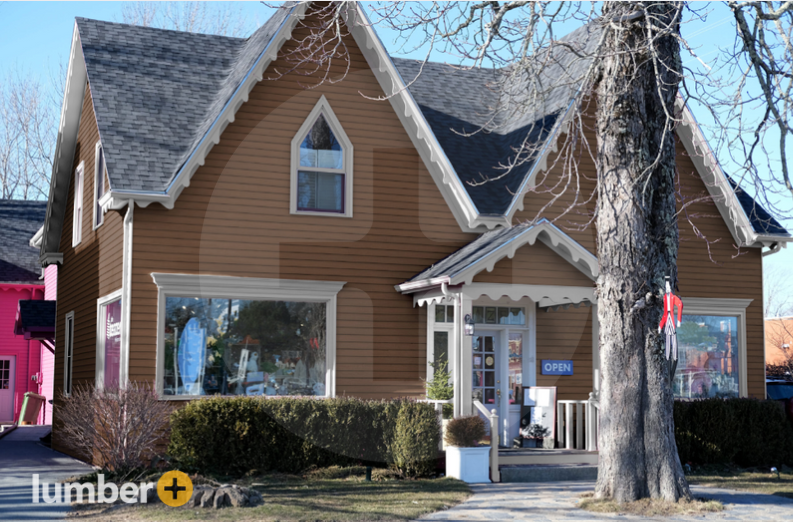
Energy performance increasingly influences siding choice. Standard vinyl siding offers little insulation, though some systems incorporate foam backers for modest gains. Engineered cladding options often include denser cores or integrate more easily with continuous insulation strategies, contributing to stronger thermal control at the wall assembly level.
Builders pursuing higher energy efficiency standards or seeking to meet new regional code benchmarks may find composite assemblies better suited to reducing thermal bridging and improving air sealing.
Design Continuity and Market Positioning
Siding plays a major role in visual identity—especially in projects with exposed elevations or design-forward architecture. While vinyl offers a wide range of colors and profiles, its finish quality and visual depth may not align with high-end expectations.
Premium siding solutions replicate wood textures and profiles with higher consistency and realism. This allows architects and developers to match traditional design intent while ensuring material stability. For multi-family, hospitality, or commercial builds requiring brand alignment or lasting curb appeal, these solutions offer more flexibility.
When Composite Siding Better Serves Project Objectives
Not every build requires maximum longevity or wood-look realism. But when those qualities really matter, engineered cladding offers a stronger mix of performance and design flexibility. From hurricane zones to mountain freeze cycles, its resistance to moisture, impact, and UV breakdown enables it to meet stricter project demands without excessive field maintenance. This is especially relevant in composite siding vs vinyl discussions where durability and appearance under stress are primary concerns.
Builders working under strict performance and design targets require cladding that meets both. Composite systems from Lumber Plus help deliver that outcome, with options like the Norx Paris and Rio Collections offering advanced UV stability and dimensional consistency for visually exposed or climate-sensitive applications.
Specify Composite Siding from Lumber Plus for Greater Stability and Design Control
Composite siding from Lumber Plus is engineered for long-term weather exposure and visual consistency. These products help meet energy goals, reduce maintenance frequency, and maintain façade quality in demanding environments. Contact us today for more information.