Exterior siding plays a key role in protecting a structure while shaping how it performs over time. For builders and property owners, comparing materials is less about appearance alone and more about how each product holds up under real-world conditions. The debate around wood siding vs vinyl often comes down to balancing upfront cost, long-term maintenance, and durability.
Choosing the Right Siding for Your Build
Wood siding vs vinyl continues to represent two of the most widely debated exterior materials in residential construction. Each option brings a unique mix of performance, appearance, and maintenance demands that make it more than a purely aesthetic choice. Builders and homeowners must weigh factors like:
- Lifespan,
- Repair cycles, and
- Climate compatibility
before settling on a long-term solution. Siding acts as a barrier against the elements, and the material selected often plays a direct role in how a building ages.
Material Cost Differences That Affect Your Budget
The cost of wood siding vs vinyl is often the first consideration during planning. Vinyl siding usually costs less upfront. It’s lightweight, mass-produced, and easier to transport, which helps lower both material and labor expenses. Homeowners with budget constraints often gravitate toward vinyl because it allows for a fast facelift with relatively low initial investment.
However, while wood does involve a higher base cost, it also brings added value through custom finish options and long-term performance. Maintenance costs differ sharply—vinyl typically requires minimal intervention but may crack under temperature stress. Wood siding is more labor-intensive but provides flexibility for refinishing, spot repairs, and tailored upgrades over time.
Appearance and Resale Value in Different Markets
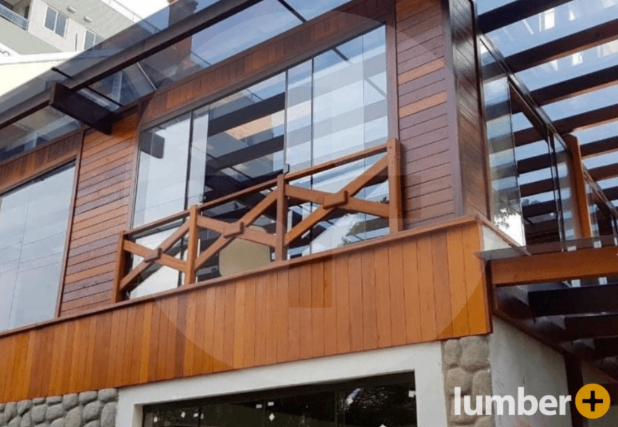
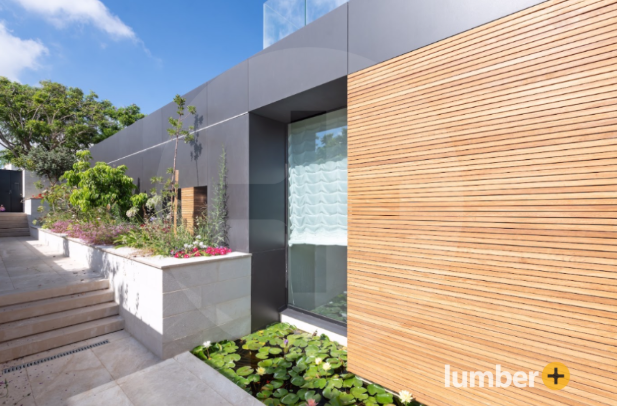
Visual appeal and perceived value often go hand in hand. Wood siding, like Ipe and Cumaru, offers warmth, depth, and a tactile quality that synthetic materials like vinyl, attempt to mimic but rarely match. It allows for custom stain and paint finishes, enabling precise control over design outcomes. This natural beauty can contribute to stronger resale value, especially in markets where architectural integrity matters to buyers.
By contrast, vinyl siding is consistent and fade-resistant, offering good ROI for homeowners prioritizing convenience and lower maintenance over custom finishes. While it may not replicate the authenticity of real wood, it’s frequently chosen for its predictability and cost-efficiency.
Performance and Maintenance Over Time

Durability marks another area where the comparison between wood siding vs vinyl requires context. Modern vinyl formulations are engineered to withstand weather extremes, moisture, and insects with minimal upkeep. For many, this low-maintenance characteristic defines its appeal. It can be rinsed periodically to maintain cleanliness, and no refinishing is required over time.
Maintenance Considerations by Material
Wood, by contrast, requires a more involved care cycle. Without proper upkeep, it becomes vulnerable to decay and damage. Yet with the right attention, high-quality species can endure for decades, especially those naturally resistant to pests and moisture, such as tropical hardwoods. In custom builds where detailing matters and materials are expected to last through multiple decades of wear, the extra effort pays dividends.
How Each Material Contributes to Energy Efficiency
Thermal performance is a growing priority in siding selection, especially in regions where insulation directly impacts energy costs.
- While insulated vinyl siding can provide modest improvements through foam backing, these systems often serve as superficial upgrades rather than core performance components.
- In contrast, wood siding offers natural thermal resistance and integrates seamlessly into high-performance wall assemblies. Its density, breathability, and compatibility with vapor-permeable barriers make it a more adaptable solution for managing heat transfer and moisture.
For energy-conscious builds that prioritize long-term efficiency and enclosure durability, wood provides greater flexibility in meeting both code requirements and performance goals.
Environmental Considerations During Selection
For those concerned about the broader environmental impact, comparing the production and end-of-life cycles of wood siding vs vinyl introduces additional variables.
- Vinyl is manufactured from PVC, a petroleum-based product that is not biodegradable and can be difficult to recycle. Its production process requires energy-intensive inputs and chemical additives.
- Wood, on the other hand, is renewable and biodegradable when sourced responsibly. Siding made from FSC-certified lumber or reclaimed sources presents a low-impact profile and aligns well with sustainable construction goals.
These considerations influence both product selection and permitting decisions on energy-conscious builds, especially when LEED certification or low-emission scoring is required.
Application-Specific Advantages of Wood Siding

Builders and architects who understand the technical trade-offs between wood siding vs vinyl are in a better position to recommend solutions tailored to each project. Both siding types serve a purpose, but only one aligns with the natural warmth and material integrity many clients are searching for. For those ready to move beyond surface-level comparisons and invest in exterior materials that perform well under pressure while elevating the home’s appearance, the advantages of wood siding become increasingly clear.
When evaluating long-term material options for siding projects, it helps to begin with the broader building goals—whether the priority is short-term cost savings, authentic design character, or sustainability. A closer look at available siding and cladding solutions can reveal how modern wood products address many of the performance concerns that traditionally drove buyers toward synthetic alternatives. Today’s premium wood siding systems are engineered for stability, durability, and weather resistance, making them more competitive than ever.
Build Smarter with Lumber Plus Wood Siding
Lumber Plus offers wood siding solutions designed to meet the needs of modern construction without sacrificing durability or design. Our materials are selected with performance, sustainability, and aesthetics in mind. Contact us today for more information.