Few wood siding types make a lasting first impression like thermally modified wood. This category of materials brings together timeless character, architectural beauty, and modern durability. While tropical hardwoods were once popular, builders and architects are increasingly choosing thermally modified wood siding types (Thermowood) for their stability, sustainability, and lower maintenance—making them a smart choice for lasting curb appeal.
Why Builders and Architects Choose Thermowood Wood Siding Types
Natural wood siding has always stood out for its authentic texture and beauty. But not all wood siding types are equally suited for long-term performance. Dense hardwoods, while durable, can be heavy, costly, and sometimes over-engineered for vertical surfaces. Thermowood siding types offer a better balance—delivering dimensional stability, resistance to rot and insects, and consistent visual appeal without the excess weight and maintenance demands of hardwoods.
Thermal modification is a chemical-free heat treatment process that enhances the wood’s ability to withstand moisture, decay, and harsh climates. This process transforms softwoods and other sustainable species into ideal wood siding types that perform beautifully across a wide range of architectural styles.
6 Recommended Thermowood Wood Siding Types
These thermally modified wood siding types combine visual elegance with modern durability, making them excellent for residential and commercial exteriors.
1. Thermowood Spruce: Bright and Versatile
Thermowood Spruce offers a light, natural look that works beautifully on Nordic- or minimalist-inspired homes. After thermal treatment, it stands up to the elements and resists warping, expanding the possibilities for lighter wood siding types.
2. Thermowood Pine: Traditional Style, Modern Performance
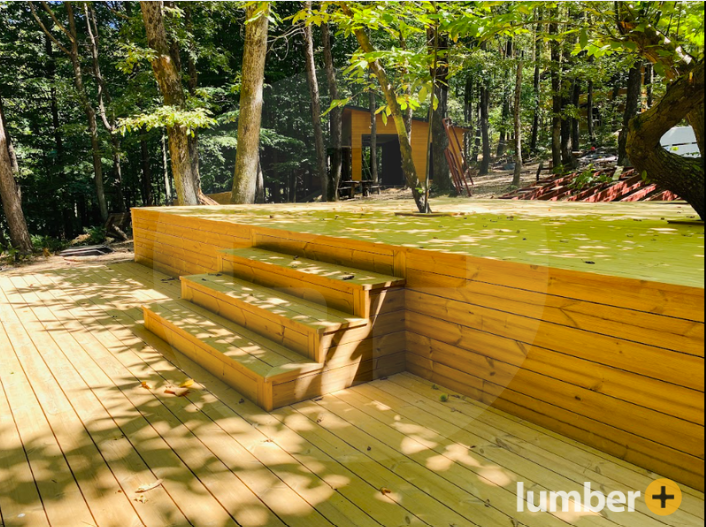
Thermowood Pine offers a classic wood grain appearance enhanced by heat treatment. Thermal modification stabilizes the pine, reducing swelling and shrinkage and making it viable for exterior use in climates with freeze-thaw cycles or high humidity. It’s an excellent match for homeowners seeking a timeless aesthetic with today’s performance standards.
3. Thermowood Radiata Pine: Sustainable and Refined
A fast-growing species transformed through thermal modification, Radiata Pine offers a pale, sophisticated look that performs well in diverse climates. Its sustainability credentials make it an attractive option for eco-conscious homeowners seeking responsible wood siding types.
4. Thermowood Ayous: Lightweight and Smooth
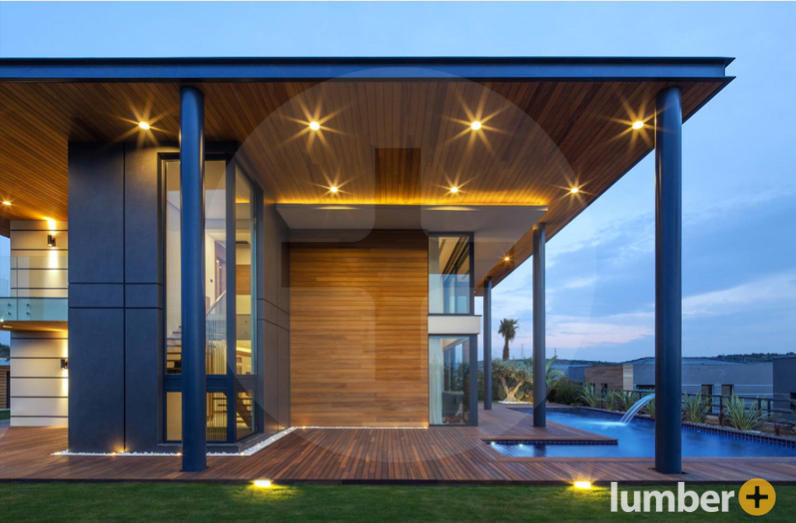
Thermowood Ayous is prized for its clean, knot-free surface and easy handling. Thanks to the thermal modification process, this lightweight species performs like much denser wood in resisting water, mold, and movement. Its soft brown tone suits both modern minimalist exteriors and warm transitional architecture, and it installs cleanly across soffits, walls, and ceilings.
5. Thermowood Poplar: Warm Color with Modern Performance
Thermowood Poplar delivers subtle golden-brown tones and enhanced weather resistance. This underappreciated wood siding type works beautifully for modern residential or commercial exteriors seeking understated warmth.
6. Thermowood Ash: Heat-Treated for Maximum Stability
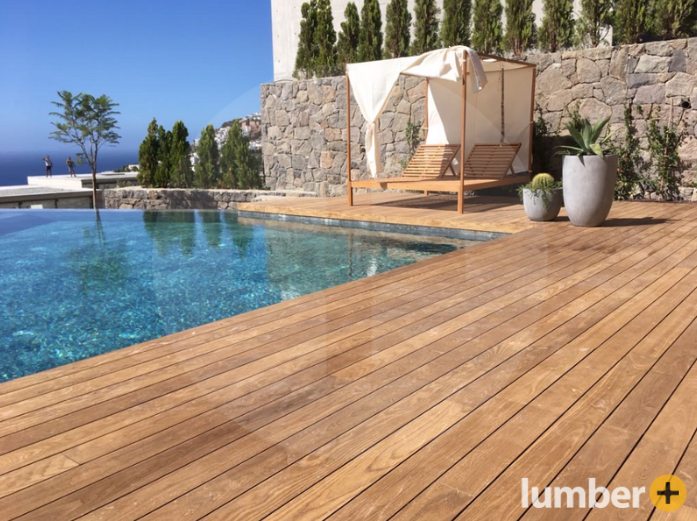
Thermowood Ash undergoes a chemical-free heat and steam process to reduce moisture absorption and increase dimensional stability. The result is a lightweight, sustainable option that resists decay and fungal growth without additives. With its uniform tone and smooth grain, Thermowood Ash is ideal for vertical siding layouts, soffits, and designs requiring visual consistency.
Choose the Right Siding Profile for Your Thermowood
At Lumber Plus, we offer a range of architectural profiles to complement your Thermowood siding:
Shiplap
Shiplap siding features rabbeted edges that overlap slightly, forming tight joints that create shadow lines and control water runoff. It’s a versatile choice that adapts to both horizontal and vertical installation, often seen in both coastal builds and contemporary homes.
Nickel Gap
Nickel Gap offers a uniform spacing between boards, delivering crisp, architectural lines that suit minimalist or modern designs. It’s frequently used for accent walls and clean-lined exteriors where uniformity is essential.
V-Joint
This profile, also known as V-Groove, uses a beveled edge to form a small V shape at the board seam. V-Joint works well on ceilings, soffits, and in transitional spaces that benefit from visual depth and shadow detail.
Square-Joint
Square-Joint boards feature squared edges that create a flush, smooth installation. Their clean profile is well-suited for contemporary facades, where simplicity and uniformity define the aesthetic.
Louver
Louvered profiles consist of fixed, angled slats designed for airflow and privacy. Though not often used as field siding, louvers appear in accent panels or decorative applications that support ventilation or light screening.
Why Thermowood Outperforms Traditional Hardwoods for Siding
While hardwoods like Ipe and Cumaru are excellent for decking, they are often overbuilt and unnecessarily heavy for siding applications. Thermowood products provide superior stability, lighter weight, and easier installation, all while reducing environmental impact and cost.
At Lumber Plus, we focus on sourcing and supplying the wood siding types that make sense for your project’s design and performance goals.
Find the Right Wood Siding Types at Lumber Plus
Lumber Plus is your trusted source for thermally modified wood siding types. Whether you’re designing a contemporary masterpiece or a timeless home, our curated species and profiles provide beauty, durability, and peace of mind.
Explore our full range of Thermowood products and contact us today to get started.