Vertical siding continues to gain attention in both residential and light commercial applications due to its ability to elevate architectural detail and introduce a more modern, tailored finish. Rather than relying on traditional horizontal layouts, many vertical siding ideas reshape the way exteriors are perceived. Designers and homeowners use this format’s linear clarity to highlight transitions, emphasize entryways, and frame outdoor living zones with intent.
Understanding Vertical Siding and Its Architectural Role
Vertical siding offers design flexibility, visual rhythm, and a fundamentally different architectural outcome than horizontal siding. It directs the eye upward, creating a taller appearance, and pairs well with both natural and fabricated cladding systems. From modernist builds to rustic cabins, vertical panels allow designers to define visual flow while reducing unnecessary ornamentation.
Material Behavior and Light Interaction in Vertical Applications
Material selection plays a critical role in how vertical siding is perceived. Wood varieties like cedar, Cumaru, and Ipe offer warmth, grain depth, and a finish that matures naturally over time. When installed vertically, these boards highlight grain movement in a way that horizontal layouts rarely capture. Color variation becomes a strength because the orientation of the boards allows natural light to deepen tonal contrast throughout the day. Vertical cladding introduces visual texture while maintaining architectural simplicity.
Design Variation Across Modern Vertical Siding Installations
Vertical systems can be customized through board width, finish, spacing, and alignment to create vastly different effects across similar structures. A key advantage is the ability to scale these details without losing visual consistency.
Width and Texture Differences Impact Final Appearance
For homes with vertical siding, subtle differences in board sizing and spacing make a noticeable impact. Some designers favor a board-and-batten layout with visible seams, while others opt for narrow planks that create a flush, seamless exterior. Surface character also plays a role—smooth-finished profiles create a modern feel, while rough-sawn boards deliver a more organic impression.
Siding Orientation Helps Shape Visual Height
Vertical layouts can help small homes appear taller or more proportionally balanced. A single-story structure often feels more anchored when tall panels visually extend wall height. This becomes especially valuable in uneven terrain or on structures with varying rooflines, where vertical systems help unify form. These layout advantages continue to shape popular vertical siding ideas in space-conscious residential designs.
Seven Vertical Siding Designs with Lasting Visual Impact
Vertical siding can transform a façade through material tone, grain direction, and spacing. Each of the following seven designs showcases a distinct way to apply these elements for visual rhythm, durability, and architectural clarity.
1. Sculptural Warmth at Dusk
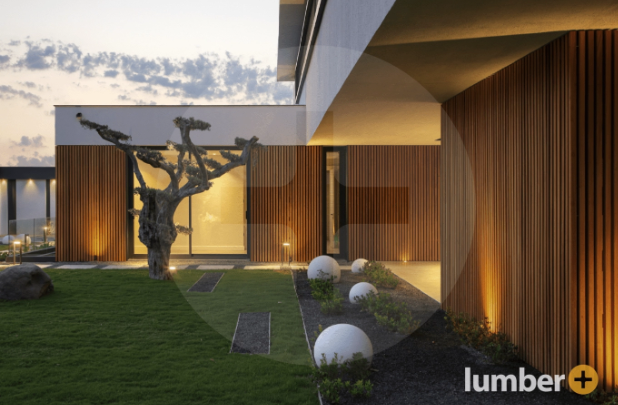
Vertical slats in natural wood finish create a clean yet inviting rhythm across the painted white vertical siding, offering a warm contrast in both tone and texture. Deep soffits with textured paint add dimension and shadow, framing the light-washed façade without competing with its material palette. The siding’s alignment and spacing support a balanced interplay between sharp geometry and natural softness.
2. Elevated Harmony with Natural Views
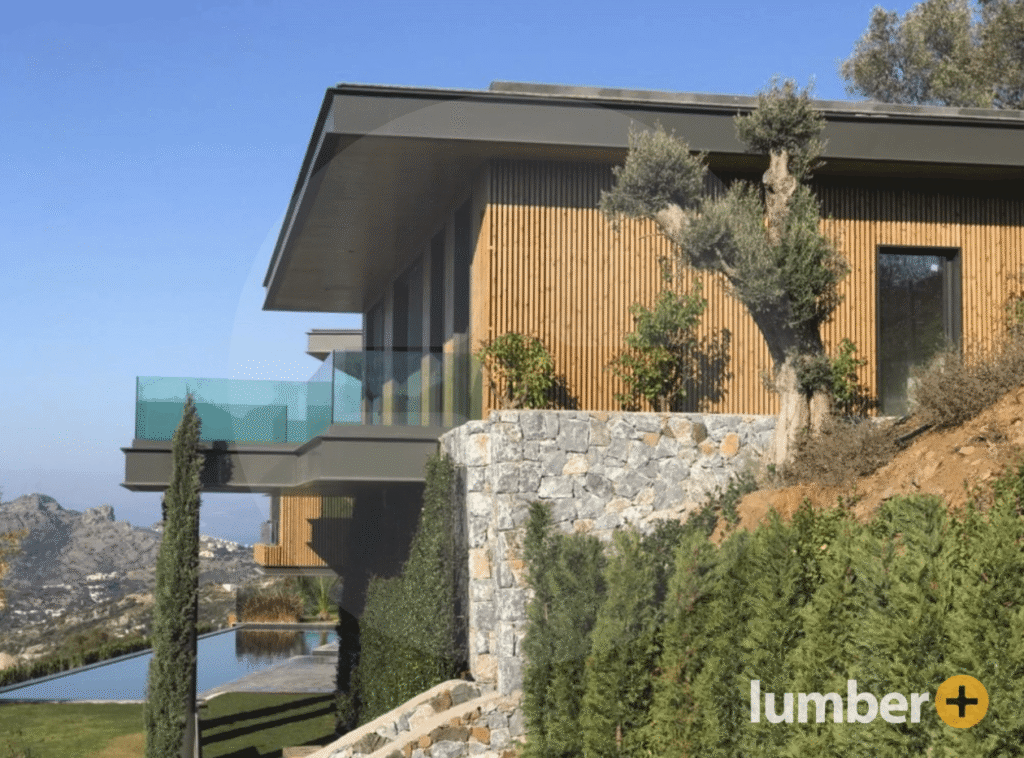
Set against a dramatic hillside, narrow vertical wood panels create a light yet structured envelope for the home. Their tone harmonizes with the surrounding terrain, while the clean grain lines emphasize the elevation’s strong horizontal roofline. The result is a layered design that feels both modern and site-sensitive.
3. Hardwood Base Enhancing Modern Design
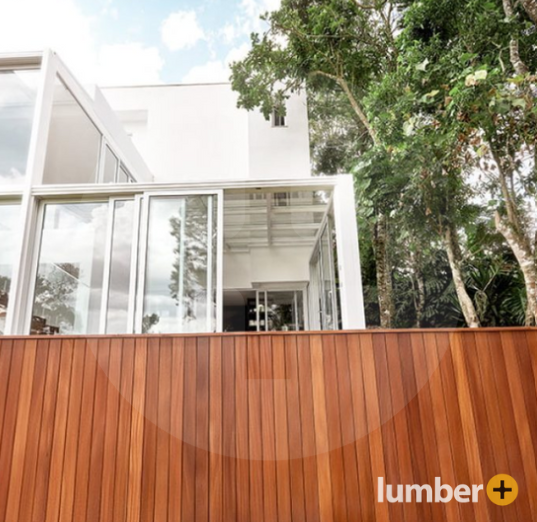
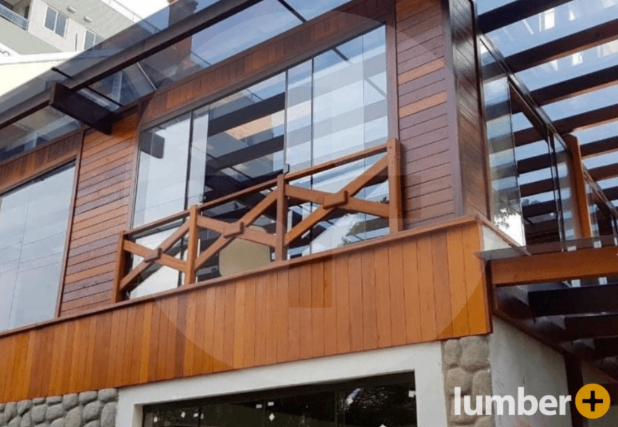
The first floor features vertically installed hardwood slats that introduce a rich, linear texture beneath the predominantly glass upper level. This natural wood siding provides a warm contrast to the sleek transparency above, grounding the structure and adding depth to its contemporary aesthetic. The use of sustainably sourced hardwood not only enhances visual appeal but also underscores a commitment to eco-friendly building practices.
4. Vertical Battens for Modern Interior Warmth
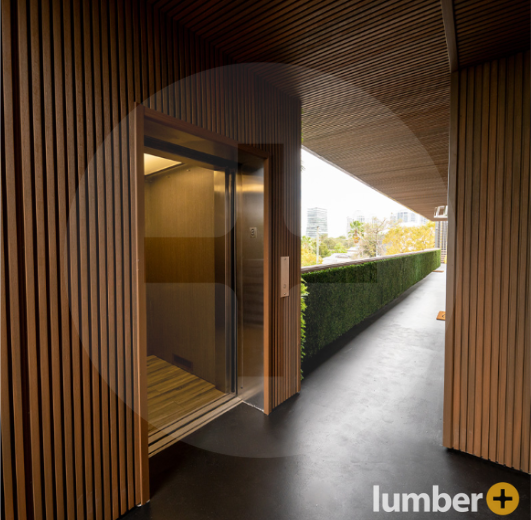
Slender vertical battens flow from wall to ceiling, creating an unbroken visual texture that envelopes the corridor in warmth. The precise alignment of the wood with the elevator’s sleek metallic trim highlights a balance of modernity and craft. This approach delivers both sophistication and acoustic benefit in high-traffic areas.
5. Warm Vertical Cladding at Entry Transition
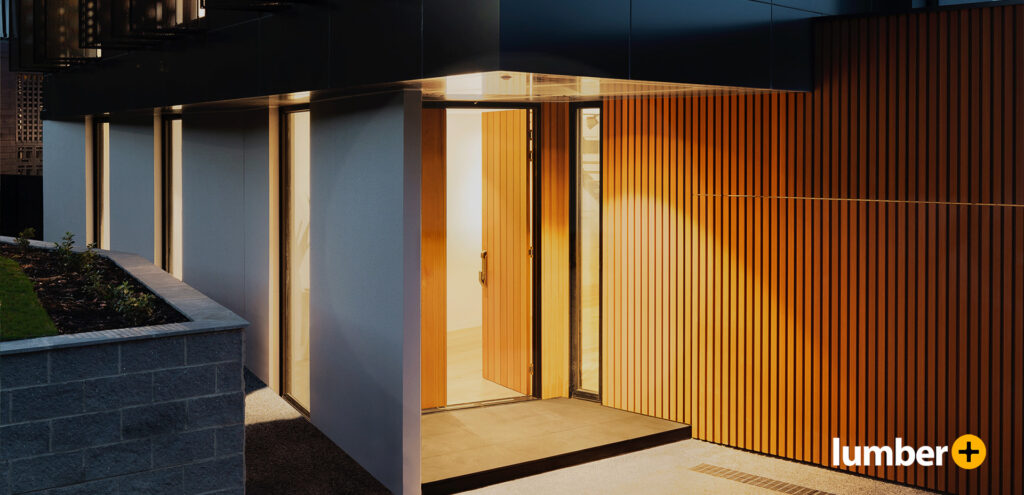
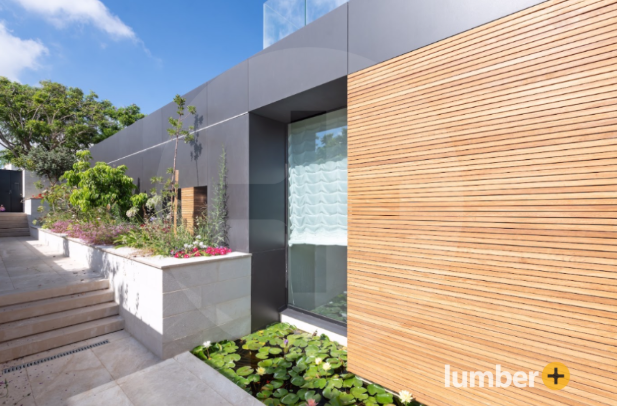
Clean vertical boards in a caramel-toned finish soften the shift from stone and glass to the inviting interior beyond. The consistent grain and upright orientation create a welcoming rhythm that draws attention to the entryway. This siding detail enhances curb appeal while adding depth and warmth to the architectural composition.
6. Integrated Nature and Living Space
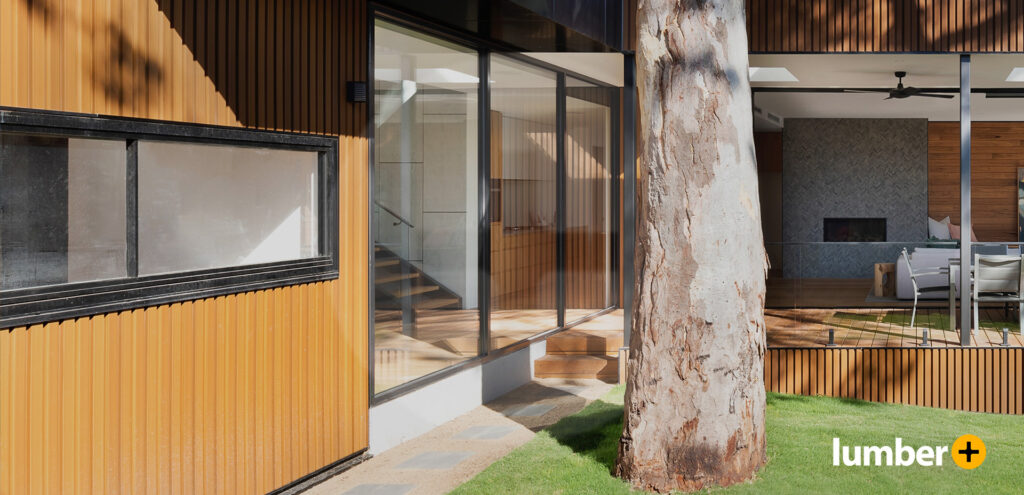
With deep-toned vertical panels wrapping around both indoor and outdoor elements, the siding establishes a visual connection between structure and setting. The material’s matte finish complements the natural tree bark directly adjacent, reinforcing a seamless integration. Framing the large glass openings, the siding becomes part of both backdrop and boundary.
7. Clean Vertical Lines with Natural Wood Warmth
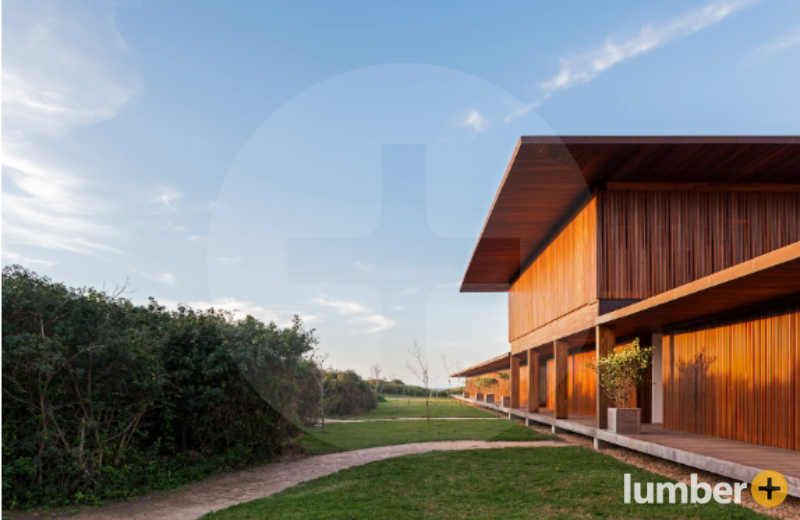
Vertical wood siding in a deep, reddish tone brings warmth and texture to the building’s simple, geometric structure. The uniform spacing and smooth surface finish lend a polished look that pairs well with the minimalist design. This material choice elevates the façade while maintaining a natural, approachable feel.
Material Options that Support Long-Term Performance
Choosing the right vertical siding material involves balancing texture, installation complexity, and durability. While fiber cement and metal panels remain options for some projects, Lumber Plus specializes in hardwoods, composites, and thermally modified wood.
Hardwoods and Composites Built for Longevity
Species like Cumaru and Ipe remain in demand for their service life and visual appeal. These materials age well, resist warping, and offer a high degree of grain stability under weather exposure. Composite systems like NORX Paris or Rio collections replicate this appearance while improving installation speed and minimizing seasonal movement. These material choices have become integral to many modern vertical siding ideas that emphasize both beauty and build quality.
Thermowood for Dimensional Stability
Thermally modified Ash and Pine provide a lighter, more refined vertical profile while reducing moisture absorption. These species retain consistent color and resist rot over time, making them ideal for projects requiring low maintenance and architectural precision.
Installation and Project Planning Considerations
Many homeowners seek out vertical siding ideas that provide both design interest and labor savings. A uniform wall of evenly spaced vertical panels can reduce the number of breaks, trims, and details required. On remodels or partial refacing projects, this offers a cost-effective way to modernize an older home without structural changes.
Texture remains one of the most powerful tools available in vertical siding design. Natural hardwood boards, especially those left with a clear or oil-rubbed finish, reflect changing light throughout the day. The vertical grain catches morning and afternoon sun differently, adding depth without the need for paint or surface treatments. Engineered wood products can mimic this look while offering resistance to moisture and climate-related expansion.
Sustainability and LEED-Oriented Vertical Siding Choices
When evaluating vertical siding on houses, durability and environmental impact are often key deciding factors. FSC-certified woods, low-VOC finishes, and long-lifespan materials reduce waste and simplify long-term maintenance cycles. Combined with rainscreen systems and proper drainage, high-quality installations offer years of structural and aesthetic integrity.
Species Selection for Green Building Criteria
Siding that satisfies green building criteria and aesthetic standards remains a preferred choice for LEED-aligned projects. Species like Cumaru and thermally modified Ash provide color, grain stability, and exceptional service life. For clients focused on long-term return, these products deliver high material performance without compromising visual goals. Their durability and sourcing credentials make them strong candidates for LEED-compliant vertical siding ideas in eco-forward builds.
Choose Vertical Cladding with Lumber Plus for Performance and Longevity
At Lumber Plus, we offer a curated selection of premium vertical cladding materials designed for architectural consistency, durability, and environmental alignment. Whether you’re outfitting a high-end build or retrofitting a single exterior wall, our FSC-certified hardwood options—including Ipe and Cumaru—are selected for stability, appearance, and reliable sourcing. Contact us today for more information.