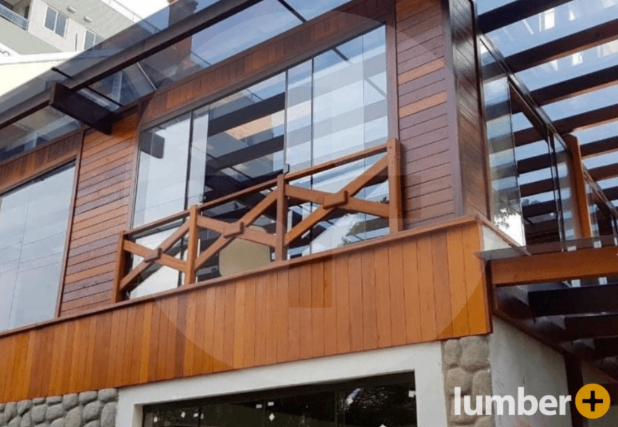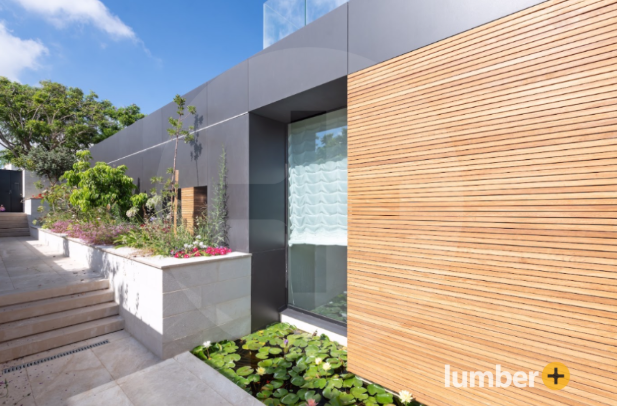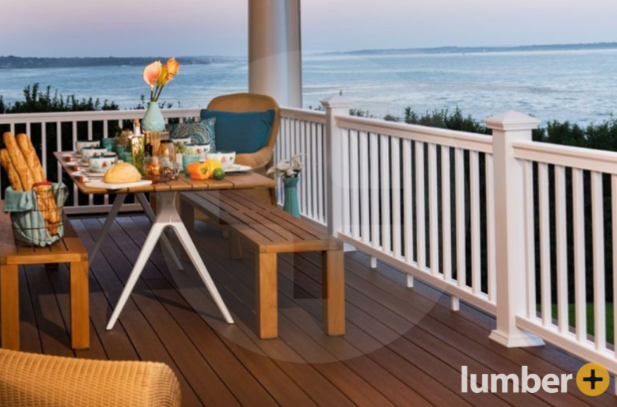
Architects and builders need materials that look like wood but won’t break down like it. Composite siding offers that balance through engineered panels that replicate tone, texture, and grain. For residential and commercial projects alike, siding that looks like wood offers a durable, low-maintenance solution with natural appeal.
Why Natural Wood Appeal Still Drives Exterior Siding Choices
Material limitations in organic siding continue to push specifiers toward engineered alternatives that preserve visual character. Wood remains a design staple for residential and light commercial builds, but it often demands frequent maintenance, refinishing, and environmental treatment to stay intact over time. Composite systems aim to deliver that same design value without absorbing long-term cost or performance risk.
Unlike legacy wood options, modern systems replicate the texture and profile of natural boards using durable components that remain stable through seasonal and environmental changes. By separating the visual from the organic, manufacturers have made it possible to achieve siding that looks like wood but with far more consistency and durability.
How Composite Materials Replicate the Appearance of Wood
Siding that looks like wood remains a top priority for architects and builders who want the warmth of natural materials without the maintenance demands. Composite boards are engineered to replicate wood grain, tone variation, and surface depth—providing a finish that aligns with both residential and commercial design goals.
Available in vertical, lap, or shingle profiles, these systems maintain consistent color and dimensions across elevations. This allows for cohesive visual outcomes while supporting durability, code compliance, and installation efficiency in a range of climates.
Moisture Resistance and Dimensional Stability
High humidity, rain exposure, and freeze-thaw cycles are among the most common stressors that degrade natural wood siding over time.
- These conditions often lead to swelling, splitting, or surface warping—especially in climates with seasonal extremes.
- Composite siding addresses these challenges directly by maintaining its dimensions regardless of ambient moisture or temperature shifts.
- That dimensional consistency supports both product longevity and installation speed.
Because these panels are manufactured under controlled conditions and shipped prefinished, they require fewer on-site adjustments and deliver cleaner seams. Builders working in coastal, alpine, or high-humidity zones can specify these systems with confidence, knowing they won’t need costly rework or reinforcement to maintain alignment.
Installation Consistency and Field Efficiency

The benefits also extend to installer workflows. Unlike organic materials, which can vary slightly in size, texture, or moisture content from pallet to pallet, composite siding arrives uniform. That predictability helps crews maintain tighter timelines and reduces delays caused by material inconsistencies in the field.
Environmental and Lifecycle Benefits
Composite siding systems are increasingly engineered with sustainability in mind. Many use recycled content or renewable material blends that reduce the use of virgin resources. These inputs not only reduce raw material extraction but also limit landfill waste at end-of-life.
In addition to green sourcing, the coatings used on high-performance siding eliminate the need for regular painting or chemical sealing. That lowers the environmental burden associated with ongoing maintenance and improves indoor and outdoor air quality by minimizing VOC exposure. For projects pursuing LEED credits or built under regional green codes, these lifecycle advantages help contribute to compliance without compromising appearance or durability.
Long-Term ROI and Project Value
Materials that don’t need to be replaced or resurfaced frequently offer a better return on investment and reduce total consumption. For developers and contractors working toward ESG targets or lifecycle costing benchmarks, composite siding offers both performance and planning advantages.
Durability and Weather Performance in Wood-Look Siding Systems
Specification decisions are increasingly driven by how materials perform over years—not just how they look on day one. For siding that looks like wood to be viable, it must hold up against UV exposure, windborne debris, and long-term moisture contact. Today’s high-performance products are engineered to resist impact, fading, and warping while maintaining a consistent surface finish.
On large façades, visual depth prevents repetition and flatness. Matching trim systems reinforce consistency from soffit to groundline. Many manufacturers also offer integrated accessory lines to reduce color mismatch and installation errors between field panels and edges.
Trim Compatibility and Finish Matching
Initial selection often starts with aesthetics, but technical consistency in finishes plays a larger role over time. Products that offer trim, corner boards, and soffits in matching finishes help crews avoid extra steps like field painting or post-install caulking. That’s especially useful for large-scale residential developments or builder portfolios where speed and consistency are tied directly to margins.
Fire resistance and impact testing are also part of the value proposition. Many systems in this category meet WUI standards or local fire codes without relying on chemical additives. Builders in wildfire-prone regions can now meet code and design expectations with a single material specification.
Details That Affect Installation, Supply Planning, and Design Control
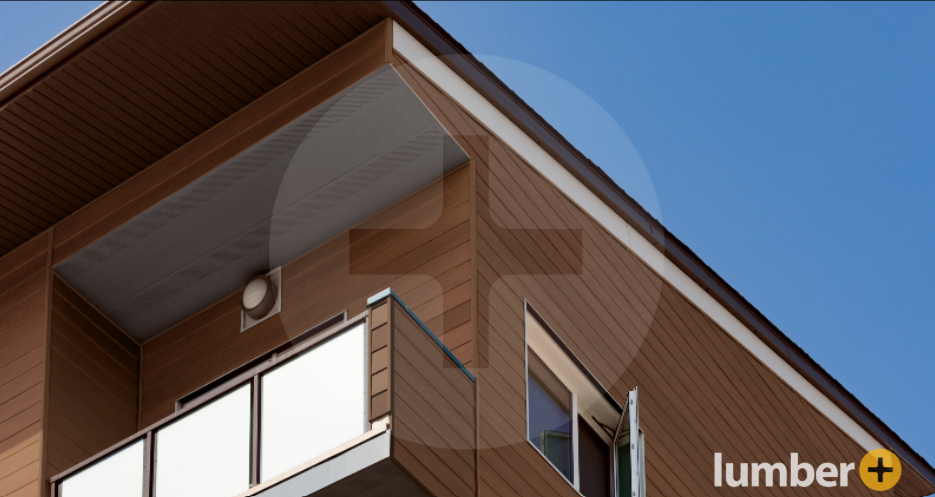
Material logistics often influence what gets specified. Unlike custom-milled lumber, composite siding can be stocked in standardized runs and sourced on an as-needed basis for phased projects. That makes it easier to coordinate delivery schedules, reduce material waste, and avoid downtime when weather or labor shifts force rescheduling.
Architectural Flexibility in Large or Multi-Phase Projects
Design teams can shift formats without changing their core spec. Vertical or horizontal, smooth or textured—composite siding offers design flexibility across elevations while maintaining a cohesive look. In multi-building communities or mixed-use footprints, this helps designers deliver variety while retaining control over performance, cost, and color consistency.
When Project Demands Require Siding That Looks Like Wood
Professionals specifying wood-look siding for houses are often balancing appearance with service life, install speed, and code requirements. Composite systems allow that balance to be struck cleanly. These products hold their shape through harsh seasons, reduce jobsite complexity, and provide aesthetic continuity across projects of varying scale. Options like the Norx Paris Collection and Norx Rio Collection, offer wood-inspired finishes backed by modern performance for high-demand exterior applications.
Choose Lumber Plus for Reliable Siding That Looks Like Wood
Lumber Plus supports this shift toward smarter exteriors with a curated selection of maintenance free composite siding. Their product offerings combine realistic grain patterns with long-term durability, allowing construction professionals to deliver on both performance and aesthetics. Contact us today for more information.