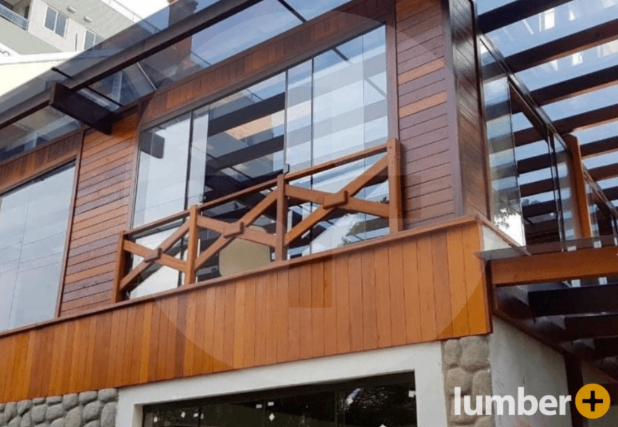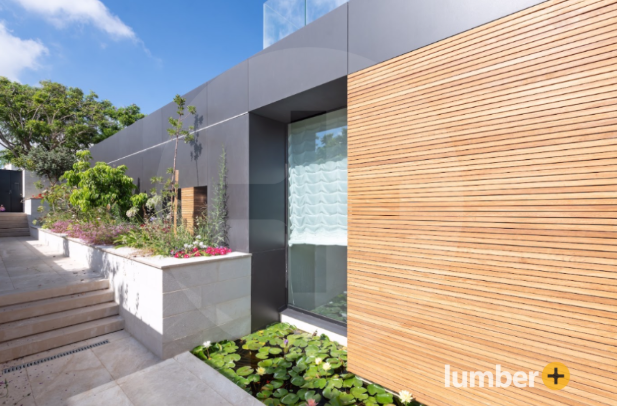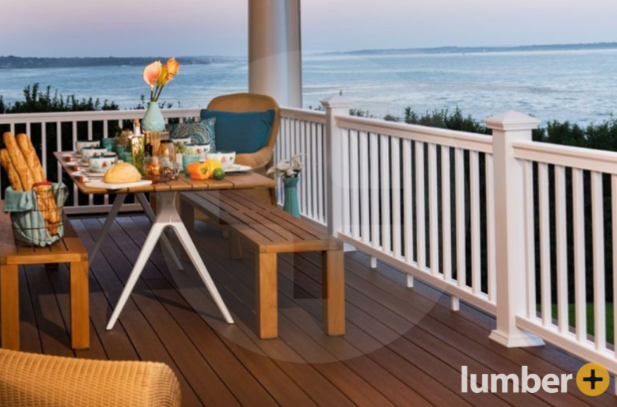
A home’s design tells a story—how it fits into its environment, how it’s used, and what it says about the people inside. Every material, line, and finish adds meaning. Understanding architectural design styles helps homeowners and professionals make smart, lasting choices.
Influences Behind Enduring Design Styles
Across centuries and continents, architectural styles have evolved to suit changing tastes, technologies, and living habits. Some styles endure for their charm and historical roots, while others speak to our growing interest in sustainability, clean lines, and modern living.
In a place like Tampa, Florida, where high humidity meets coastal breezes and bright sunlight, design must respond to environmental challenges as well as visual expectations. Material choices here are more than decorative—they directly impact long-term structural integrity.
Traditional Styles Still Make a Strong Statement
Classic architectural traditions remain a popular choice in Florida homes, offering a sense of timelessness that blends beautifully with the region’s climate and culture.
Colonial Revival: Enduring Beauty Through Symmetry and Detail
Colonial Revival has long appealed to homeowners for its symmetrical beauty and stately presence. The columns, gabled roofs, and shuttered windows offer a classic elegance rooted in American architectural history. With authentic detailing, such as solid hardwood shutters or paneled entryways, the style gains a sense of depth and permanence.
Lumber That Matches Historic Character
Hardwoods like Ipe and Cumaru are especially suitable for these elements due to their high Janka hardness ratings and resistance to swelling. These woods also accept stain or sealers beautifully, providing longevity without sacrificing curb appeal. Cumaru, when properly sealed and maintained, can offer a natural, time-worn look that complements historic motifs.
Mediterranean Revival: Warmth, Texture, and Climate-Ready Design
Mediterranean Revival homes, common across many Florida neighborhoods, showcase arched windows, red tile roofs, and warm stucco exteriors. But it’s the shaded verandas, exposed rafters, and timber pergolas where wood selection becomes critical. Garapa, known for its smooth texture and natural golden tone, offers decay resistance and remains stable in high humidity—crucial in regions with over 50 inches of annual rainfall.
Defining the Modern Aesthetic
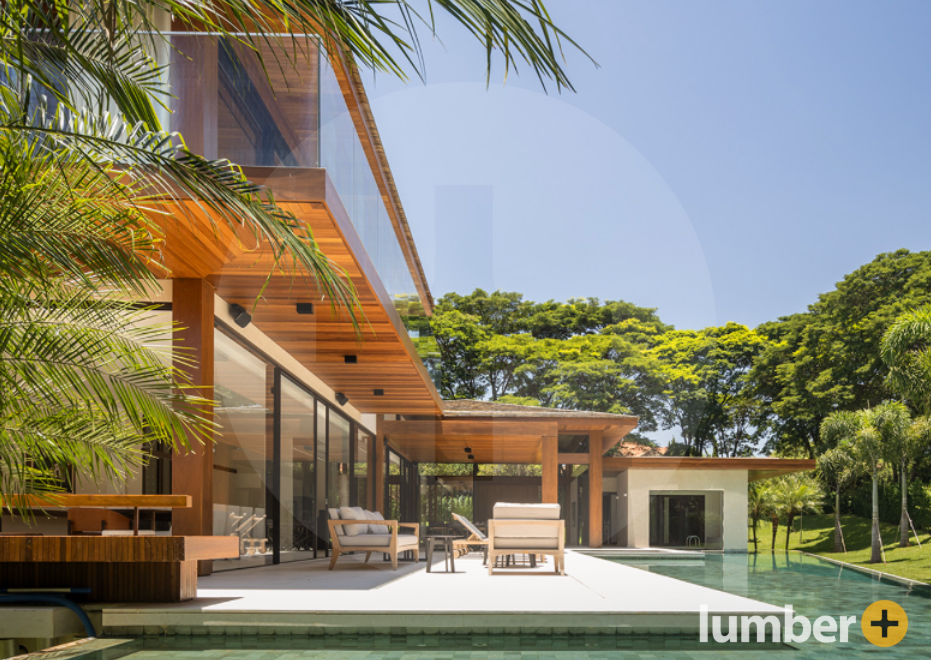
Mid-century modern architecture, with its strong horizontal lines and expansive glass panels, continues to influence today’s design landscape. These homes emphasize a sense of openness and a connection to nature. Wood plays a central role in that connection, offering warmth to contrast the clean geometry of steel, glass, and concrete.
Sustainability Now Shapes Design
As building practices evolve, sustainability has become a central influence on both material selection and architectural expression.
FSC-Certified Hardwoods Support Green Building Goals
Modern designs also push for materials that reduce long-term environmental impact. Homeowners focused on energy-efficient envelopes often choose FSC-certified hardwoods, which help qualify projects for LEED points and support broader green building goals. These species contribute to resource conservation, reduce embodied carbon, and can be reclaimed or repurposed at the end of their service life.
Modern Architecture Demands Technical Precision
Contemporary architecture builds on this by incorporating smart systems, passive cooling strategies, and integrated material palettes. It’s not only about what’s visible. Wood must also be thermally stable and easy to detail around junctions, cladding terminations, and soffit vents. That’s where products like pre-milled profiles that accommodate rainscreen ventilation and reduce site modification time stand out.
Tampa’s Regional Influence on Style
Florida’s architectural identity is also shaped by its environment. Regional styles such as Florida Cracker homes were born from necessity—raised floors for airflow, wrap around porches for shade, and materials that could breathe in the heat. These homes benefit from porch systems and exposed woodwork built with dense, stable species capable of withstanding prolonged moisture exposure and daily thermal shifts.
Tampa’s Architectural Blend Reflects Climate and History
The city’s Art Deco influences also contribute to the visual mix. Though rooted in clean lines and bold symmetry, modern interpretations of Art Deco often incorporate organic materials to balance the geometry. Interior feature walls, custom cabinetry, and ceiling treatments made from Tigerwood or other richly grained hardwoods allow designers to deliver striking visuals while supporting structural integrity.
When building in hurricane zones or coastal neighborhoods, code-compliant materials aren’t optional—they’re essential. High-density hardwoods like Ipe, installed with stainless steel hardware and proper spacing, provide resistance to lateral forces and uplift while meeting stringent safety requirements.
Materials That Complement the Architecture
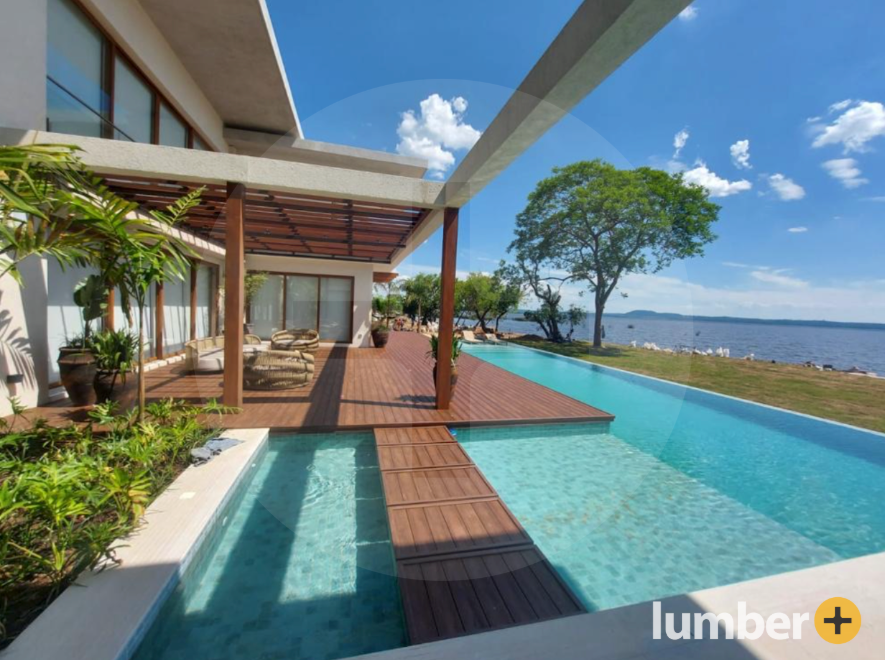
Architectural design styles are more than visual concepts—they represent physical systems that must perform. A sleek modern façade may look striking, but if the cladding warps or fades in six months, the design falls short. Dense hardwoods offer not only color and texture, but also thermal mass, UV resistance, and low movement coefficients. These performance characteristics allow for cleaner detailing, reduced maintenance, and more predictable long-term results.
High-Performance Wood Brings Designs to Life
Using stable, well-dried hardwoods ideal for both exterior and interior applications is crucial. Whether you’re installing a rainscreen façade for a minimalist residence or framing a wraparound porch on a traditional home, each product should come with specifications and guidance tailored to the job. For residential architectural design styles, that kind of predictability matters. Builders can reduce acclimation time by working with pre-kiln-dried stock, and homeowners enjoy cleaner finishes and fewer seasonal shifts.
Ipe, in particular, is widely used in Florida waterfront builds due to its Class A fire rating and excellent performance in salt-heavy environments.
Carrying Exterior Style Into the Interior
Designers are increasingly focused on unifying exterior and interior woodwork. It’s not just about style—it’s also about resource efficiency and visual harmony. Matching wood species between soffits, ceilings, and entryways helps reduce waste and simplify the installation process.
In high-end Florida projects, Garapa and Cumaru are frequently used in soffits, accent walls, or transition ceilings. These hardwoods offer natural variation that pairs well with plaster, polished concrete, and natural stone. Builders benefit from fewer material transitions and faster framing, while clients enjoy a cohesive environment that feels calm and connected.
Why Materials Still Matter in Every Style
Architectural design styles reflect geography, culture, and code as much as visual taste. When storms hit, and UV exposure is relentless, lumber choices aren’t just about aesthetics—they’re about protection. The right species not only elevates design—it enables it. Structural longevity depends on correct fastening, acclimation, and finish selection just as much as species durability.
Every Detail Counts
Professionals working with residential architectural design styles need reliable materials that arrive jobsite-ready. Suppliers like Lumber Plus support this by offering technical resources, dimensional tolerances, and finish compatibility for each product line. From rainscreen systems with stainless fasteners to interior paneling that resists cupping, high-performance wood products support cleaner installs and better long-term results.
From coastal infill projects to historic districts where restoration details matter, the right wood makes all the difference. With hardwoods that balance aesthetic impact with structural performance, architects and builders can deliver results that last—and look the part.
Build with Confidence Using Lumber Plus Products
Lumber Plus provides high-quality wood solutions that align beautifully with a wide range of architectural design styles. Restoring a traditional home or building a bold, modern space—our products are designed to support lasting design integrity. Contact us today for more information.