Different materials shape the look, feel, and performance of a home’s exterior. Choosing the right cladding impacts more than curb appeal—it also affects durability, maintenance, thermal performance, and even resale value. For builders, architects, and homeowners reviewing the types of cladding available on the market, the goal is often to balance practical function with lasting visual character.
Key Cladding Types for Residential and Light Commercial Use
Each cladding material listed below serves a specific purpose, depending on performance needs, project scope, and regional conditions.
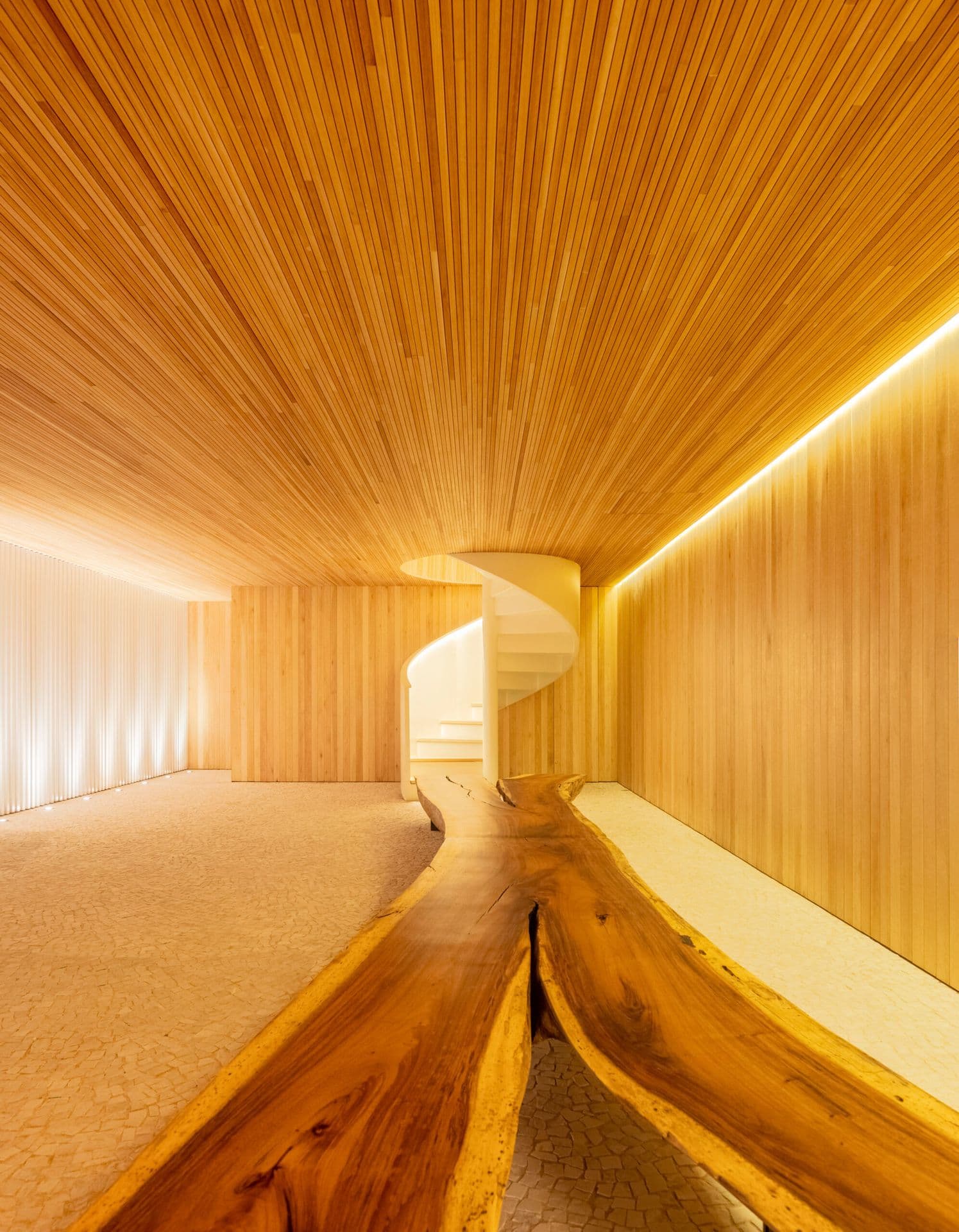
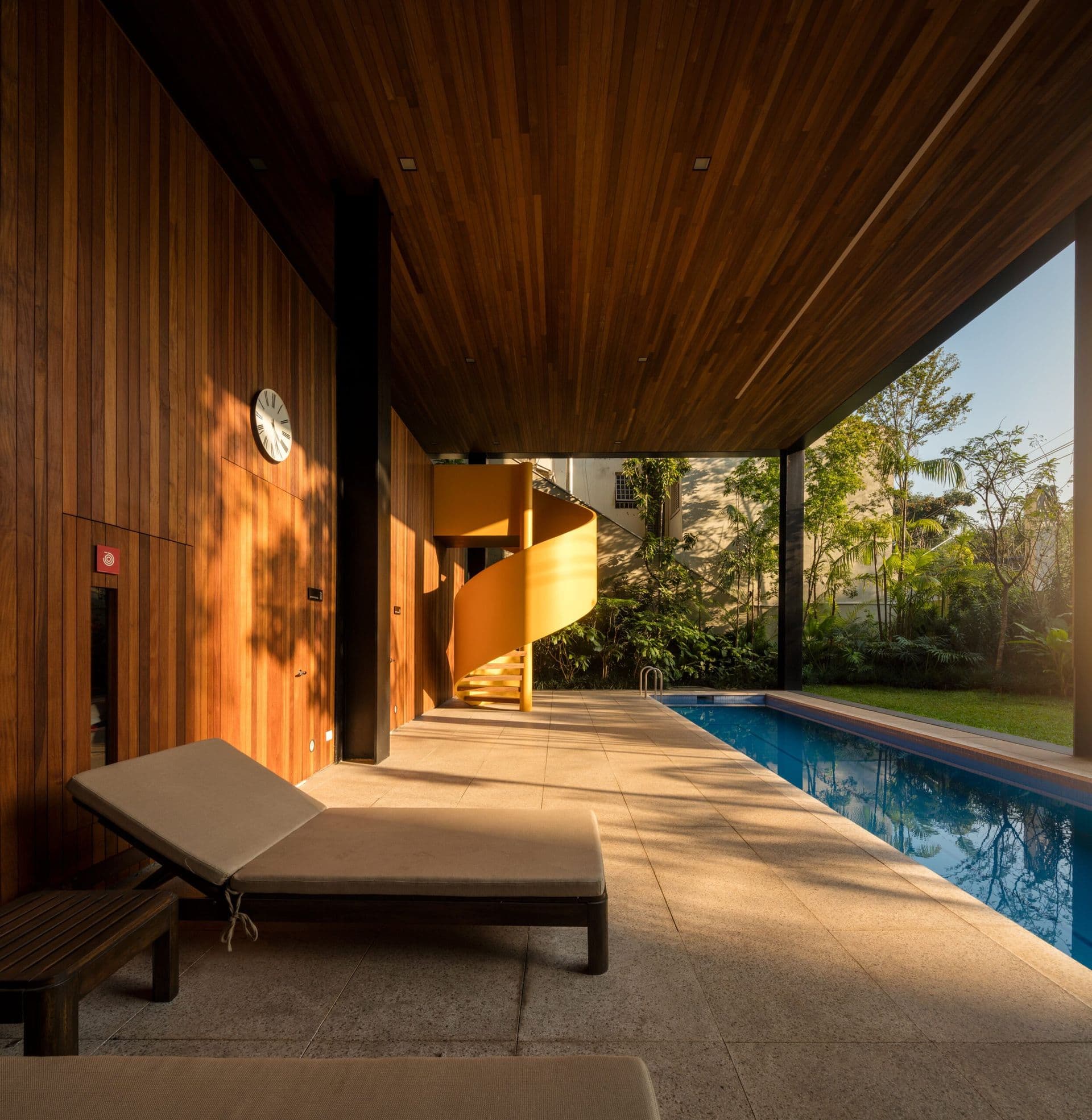
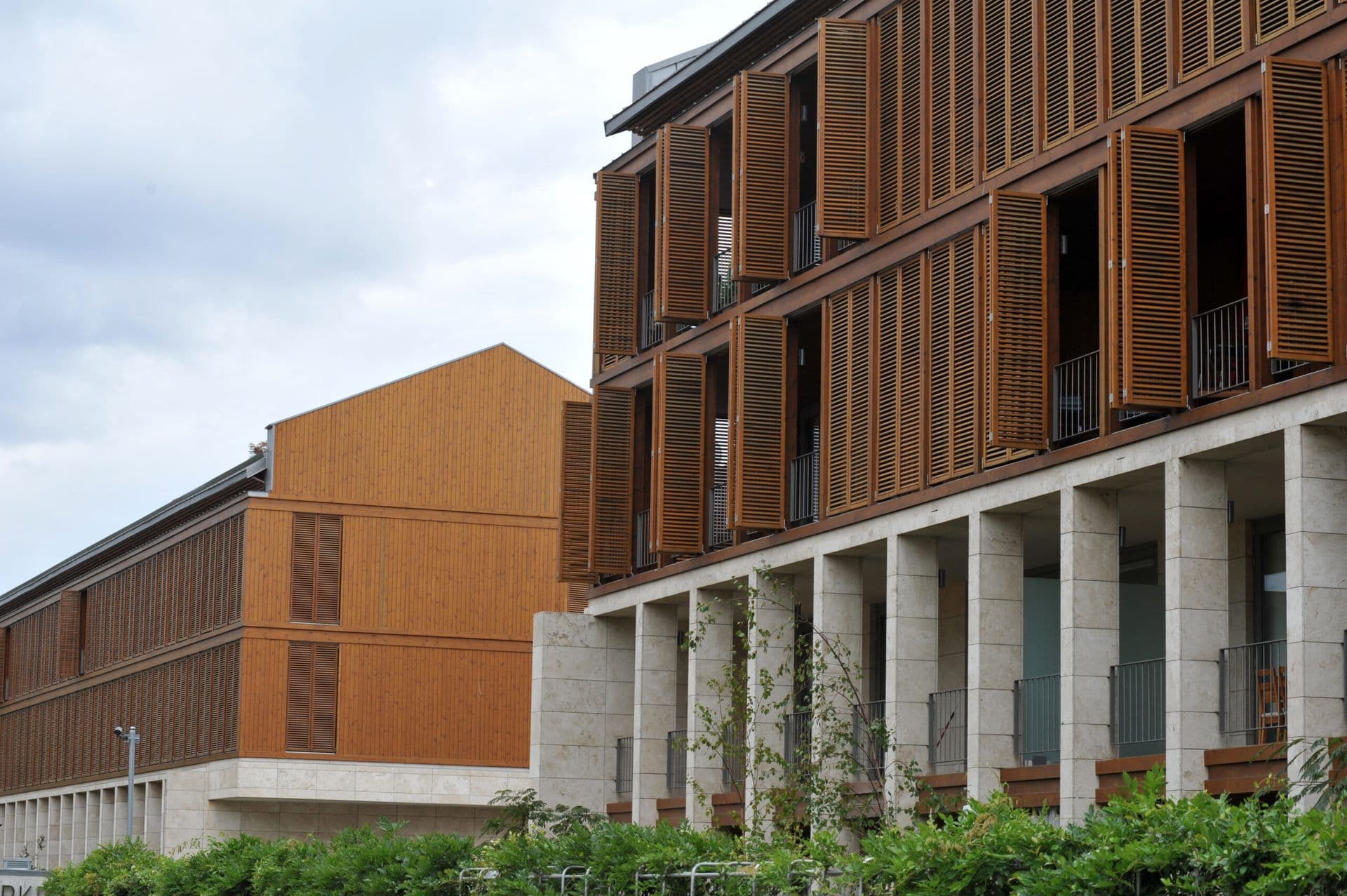
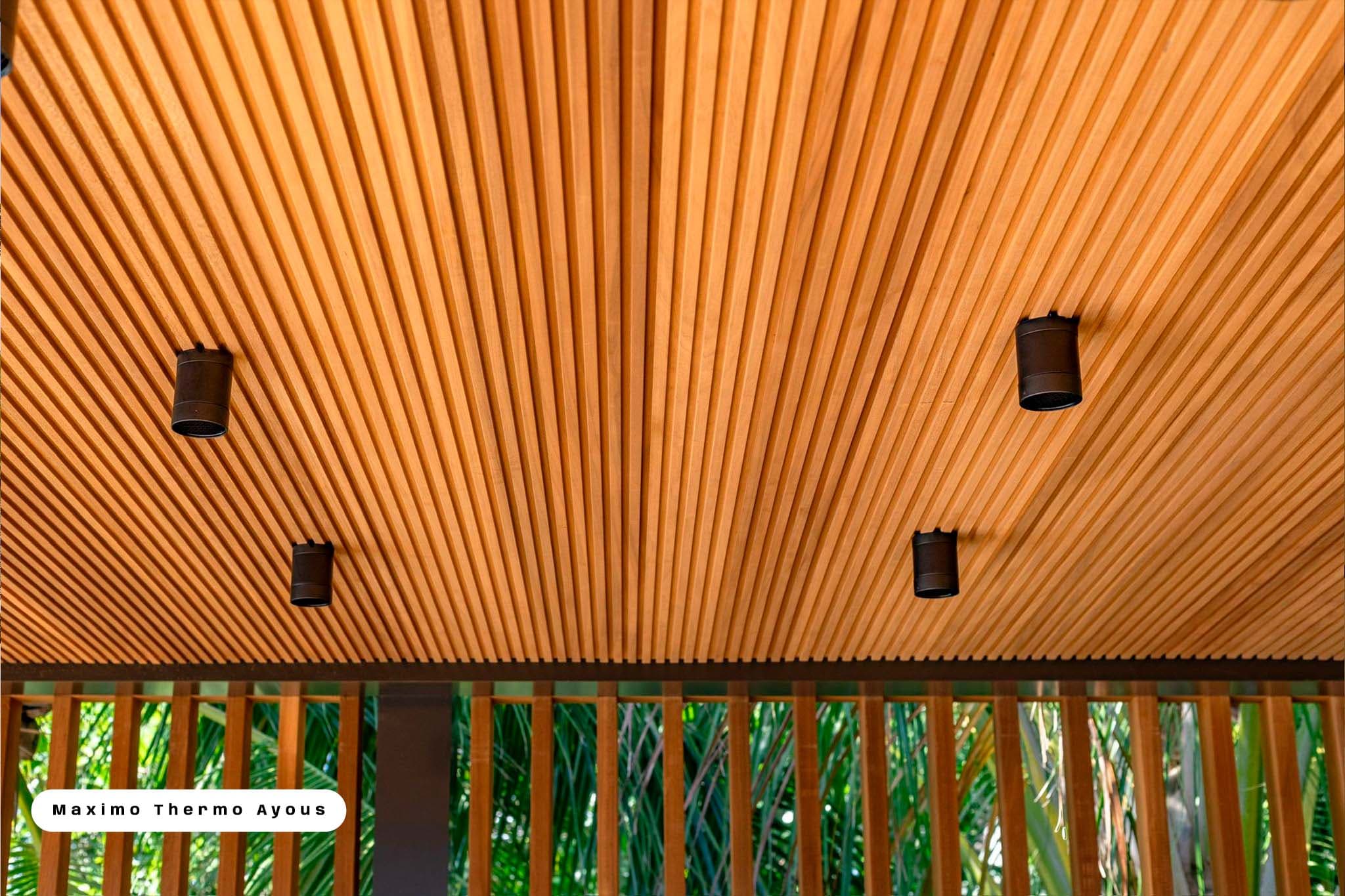
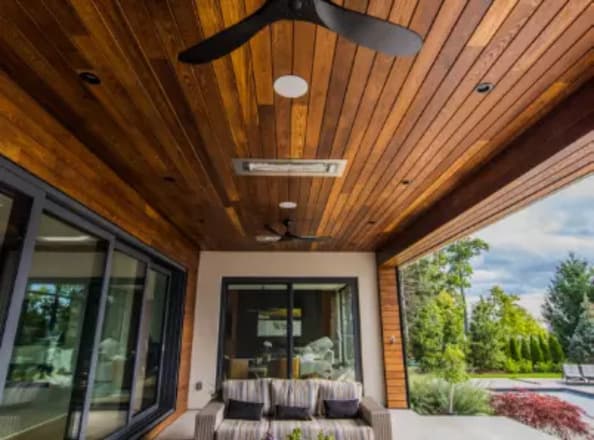
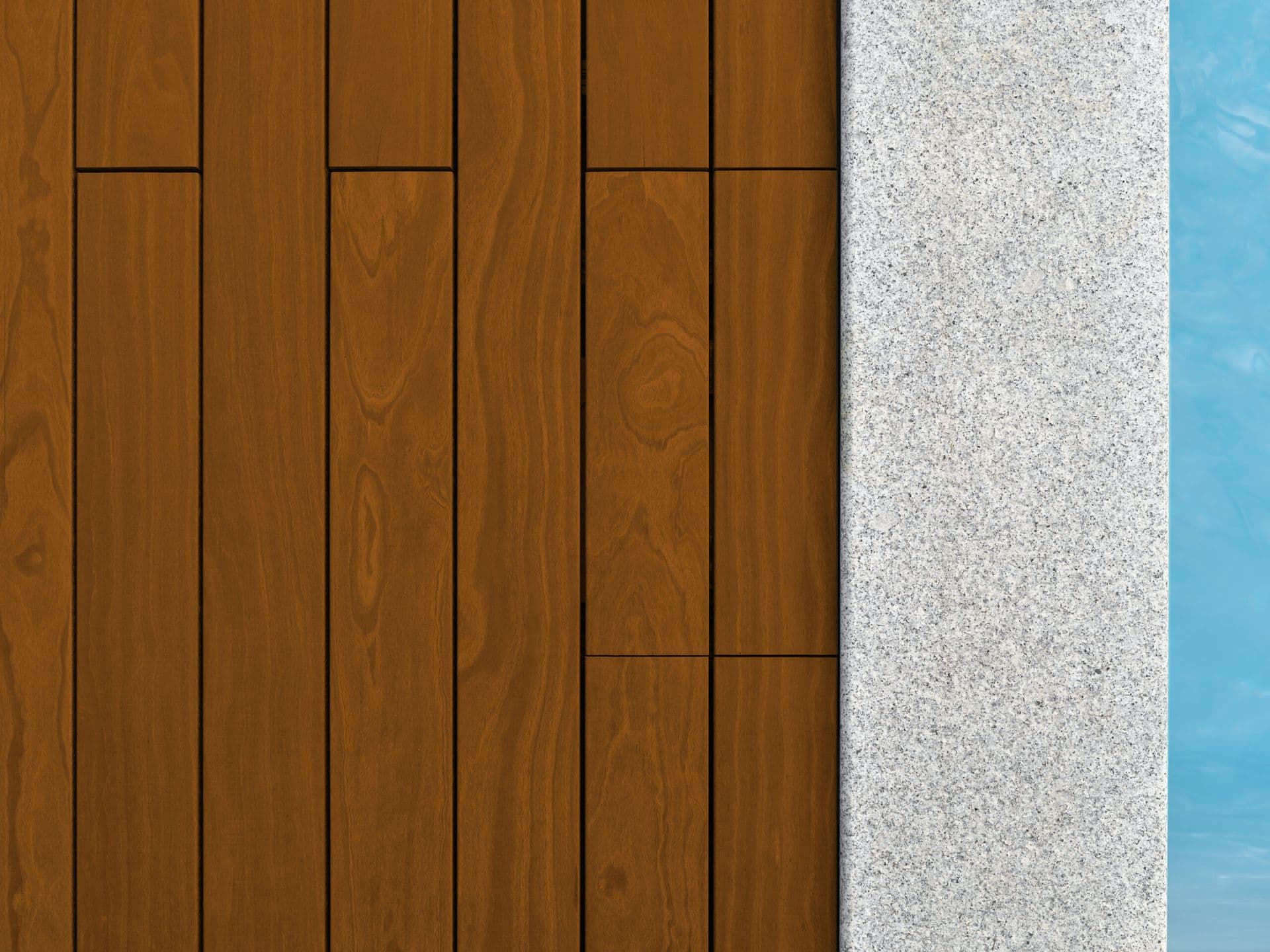
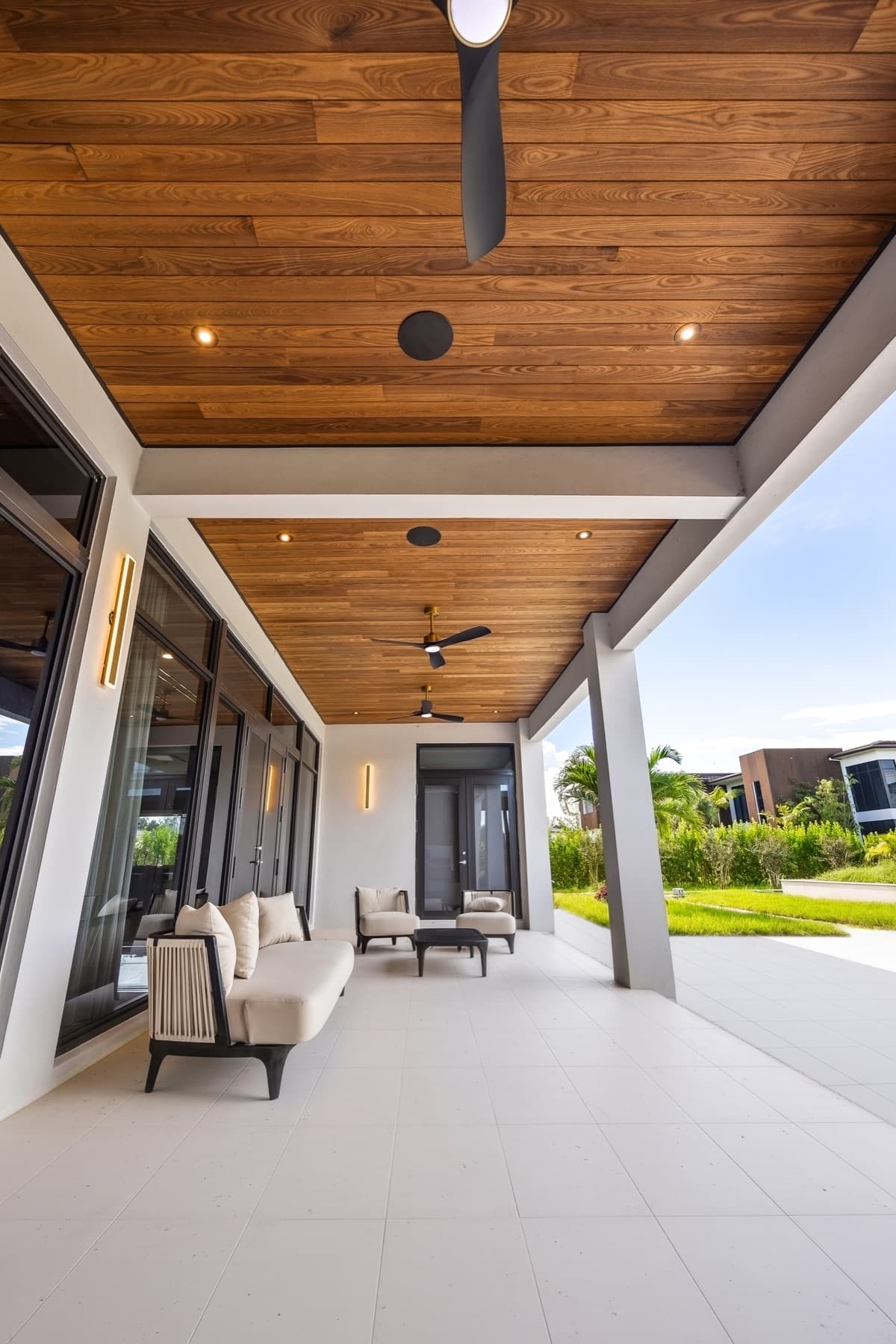
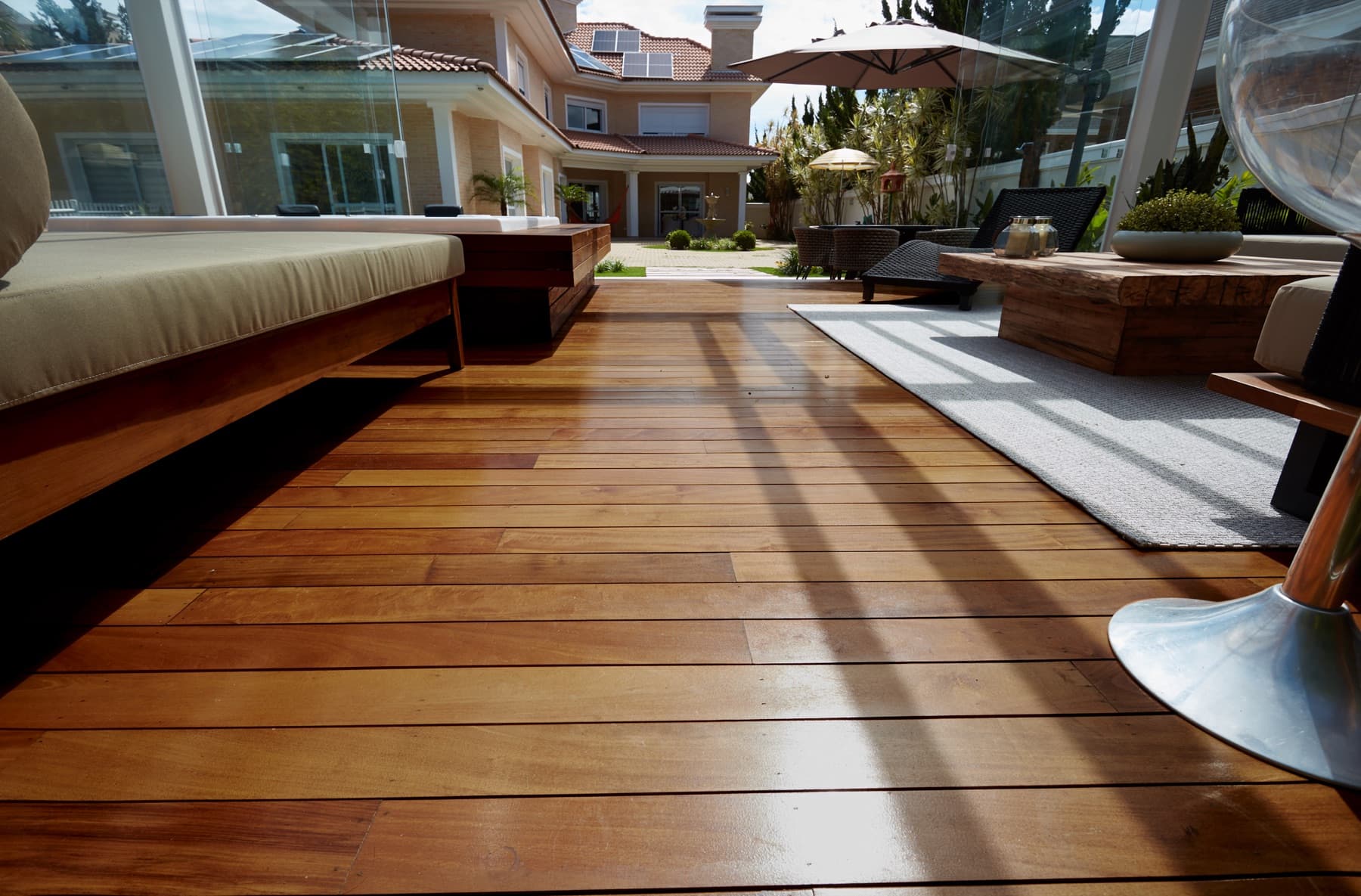
1. Hardwood Cladding for Strength, Longevity, and Aesthetic Impact
Hardwood siding stands out for its combination of durability and architectural appeal.
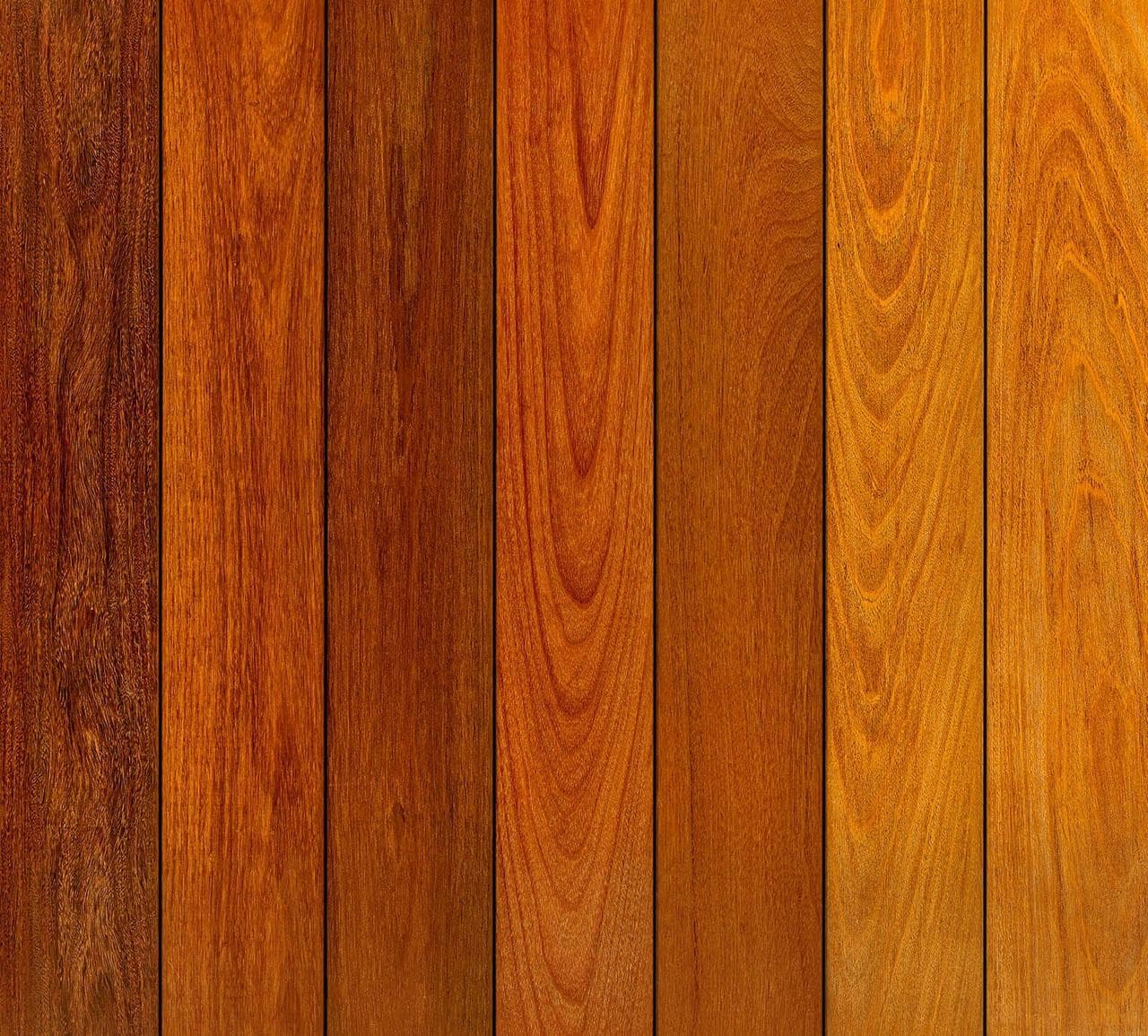
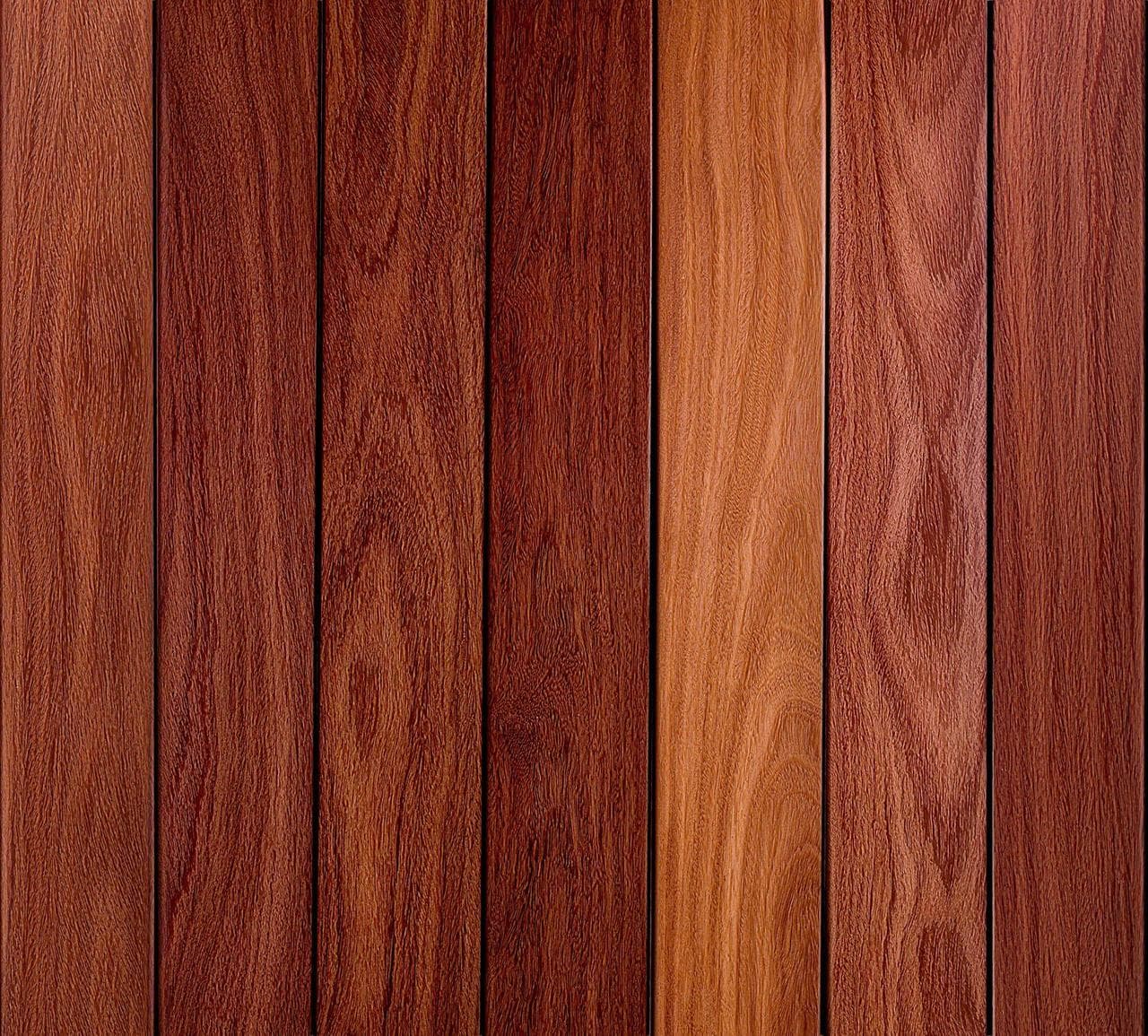
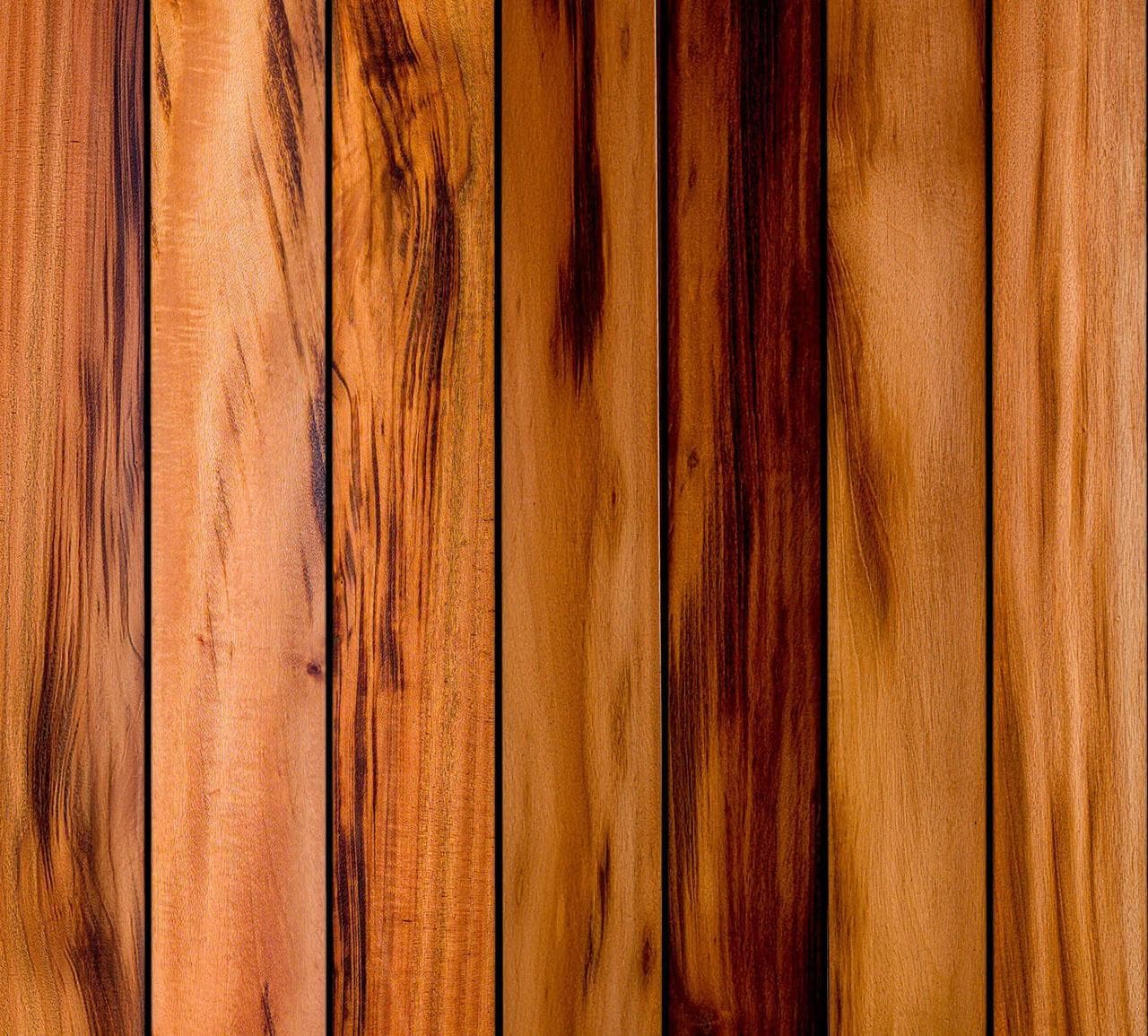
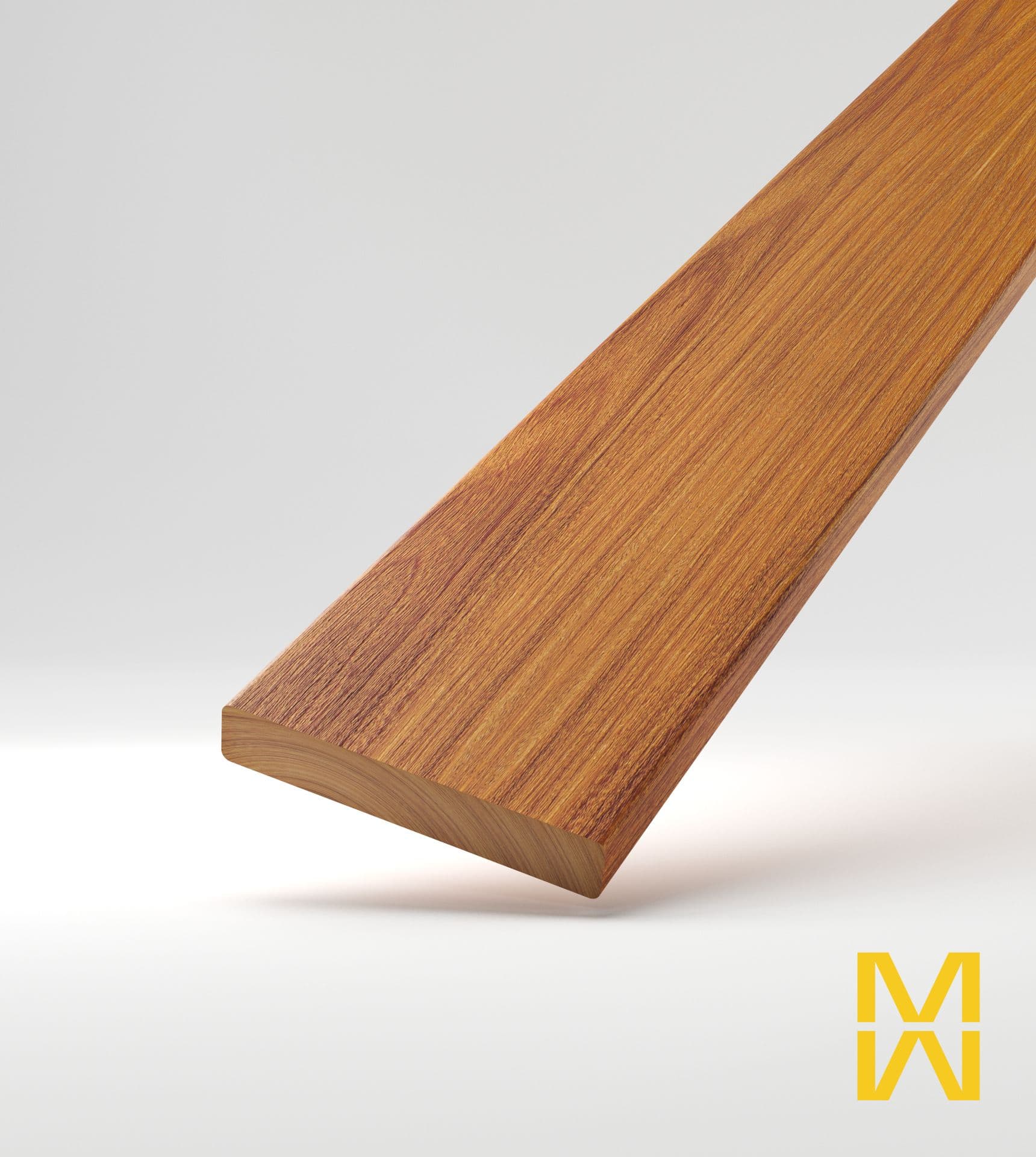
- Species like Ipe, Cumaru, and Garapa offer superior resistance to decay, insects, and surface wear—even in humid or coastal environments.
- Unlike softwoods, tropical hardwoods maintain their density and structural integrity over decades, making them a dependable choice for long-term projects.
- When installed properly, hardwood cladding supports high-load applications, performs well under UV exposure, and requires minimal refinishing beyond basic maintenance.
These boards also provide flexibility in design—accepting finishes that either enhance the natural grain or allow for controlled weathering. Builders favor hardwood for both its visual consistency and the reduced need for mid-cycle replacements. It remains one of the most cost-effective solutions when life-cycle costs and long-term performance are considered together.
2. Composite Boards That Simplify Installation and Reduce Maintenance
Among modern types of cladding, composite systems have gained traction for their ability to mimic wood aesthetics while minimizing upkeep.
- Manufactured from a blend of recycled polymers and wood fibers, these boards are engineered to withstand fading, swelling, and surface cracking.
- Many include cap-layer technologies that repel moisture and block UV degradation, extending their lifespan even in challenging environments.
- Builders working on volume-driven schedules often rely on composite cladding for its dimensional consistency and ease of installation.
The product doesn’t split or bow like natural timber, which allows for tighter seams and faster fastening. With embossed finishes and uniform coloring throughout, composite materials also maintain a clean, finished look with little to no touch-up required over time.
3. Fiber Cement for Fire Resistance and Moisture Control
Fiber cement remains a common choice in projects where code compliance and fire resistance are top priorities. Its makeup—cement, sand, and cellulose fibers—results in a stable, non-combustible board that holds paint well and resists pests. While heavy and labor-intensive, it performs reliably in moisture-prone regions when installed with proper ventilation.
4. Metal Panels for Modern Aesthetics and Passive Performance
Metal cladding offers clean lines and long-term strength, making it popular in both contemporary homes and commercial buildings. Available in aluminum, zinc, or steel, these systems resist corrosion and contribute to passive cooling strategies when paired with thermal breaks. Though susceptible to denting and sound conduction, metal panels are often used for energy-efficient envelope designs.
5. Stone Veneer for High-End Visual Impact
Stone veneer adds texture and permanence, especially at base walls, entry points, or around structural columns. Whether natural or manufactured, it provides impact resistance and visual depth. Installation can be labor-intensive and costly, but the result is a finish that requires minimal upkeep and lasts for decades.
6. Vinyl Siding for Cost-Effective Coverage
Vinyl siding is chosen primarily for affordability and speed. It installs quickly, doesn’t require painting, and comes in a variety of styles. While not the most durable or fade-resistant material on the list, it serves its purpose on entry-level or time-sensitive builds.
7. Brick Cladding for Fire Safety and Thermal Mass
Brick remains a fixture in traditional home design, especially in regions with mixed climates. Its fire resistance and mass provide thermal buffering, while veneer systems reduce installation weight and cost. Proper flashing and weep detailing are key to ensuring performance over time.
8. Stucco Systems for Monolithic Finishes
Stucco delivers a smooth look, especially in arid regions where moisture risk is low. Available in both cement and polymer-modified forms, it resists fire and pests when properly installed over framed assemblies. However, it’s sensitive to movement and may require expansion joints in seismic zones.
9. Glass Panels for Architectural Accent or Commercial Façades
Glass cladding is typically reserved for commercial and high-end residential projects where natural light is prioritized. Glazing systems are engineered to meet wind, energy, and safety codes, but require precision during installation. For homes that integrate it selectively—such as stair towers or sunrooms—it offers a sleek finish and daylight control.
Lumber Plus Materials Built for Durability and Design Freedom
Hardwood Species That Outperform in Harsh Conditions
Builders who rely on long-lasting results often prioritize cladding systems that offer durability, fire resistance, and sustainability—all without increasing maintenance demands.
Materials offered by Lumber Plus—such as Cumaru, Ipe, and Thermowood—combine visual appeal with dependable performance. These hardwoods are naturally resistant to insects, moisture, and UV damage, and many species also meet key fire safety benchmarks without the need for chemical treatment. Sourced from responsibly managed forests, they align with sustainability goals while maintaining the structural integrity needed for exterior use in demanding climates. Their dense grain structure supports a smooth finish and minimal warping, even in high-humidity environments.
Composite Cladding That Reduces Maintenance and Speeds Up Installs
Trex and other composite products available through Lumber Plus offer consistency and strength in applications where fast installation and long-term reliability are priorities.
- These boards are made from recycled content, combining wood fibers and polymers to resist decay, splitting, and color fade.
- Their dimensional stability reduces the risk of installation errors while supporting energy-efficient envelopes with minimal upkeep.
Lumber Plus offers composite options like Trex that resist moisture, UV breakdown, and surface wear while maintaining clean lines across elevations, all within their broader inventory of weather-resistant siding and cladding materials.
Combining Materials for a Balanced, High-Performance Exterior
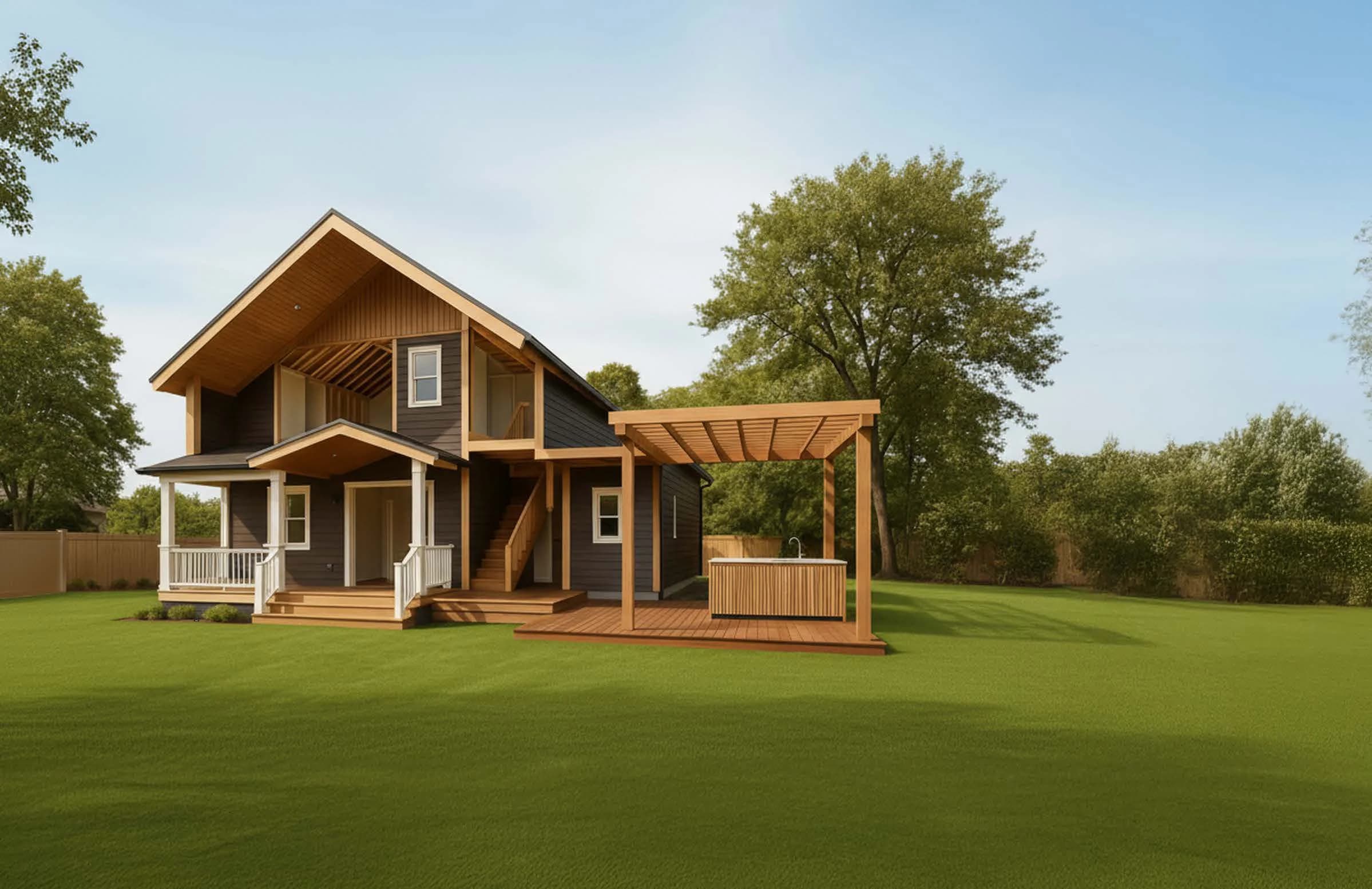
The range of types of cladding available today provides more opportunity than ever to align durability, aesthetics, and environmental performance. In many cases, combining cladding types across elevations—such as wood siding under gables with fiber cement on lower walls—can yield both contrast and practicality.
Why Builders Choose Lumber Plus for Proven House Cladding Solutions
Professionals working on residential and light commercial builds turn to Lumber Plus for high-performance cladding that supports strong project outcomes. Our selection includes both natural and engineered options that align with building codes, budget targets, and long-term durability goals. Contact us today for more information.