California deck projects are subject to some of the most rigorous construction standards in the country. Builders and homeowners alike must understand how local and state codes shape deck design, material selection, and structural planning. The California deck building code plays a central role in ensuring every aspect of construction meets safety and inspection standards.
Navigating Local Amendments and Permit Thresholds
The building code for decks in California originates from the California Residential Code, but local authorities frequently adjust these guidelines to address regional risks. Wildfire zones, seismic areas, and hillside developments often have added requirements that must be confirmed with the building department before construction begins. Builders who rely solely on general statewide rules often encounter setbacks when those rules don’t match city-specific codes.
- Most jurisdictions require permits for any deck that extends more than 30 inches above grade or exceeds 200 square feet.
- Some counties also require structural drawings or engineering stamps, especially in coastal zones or areas with high foot traffic.
Understanding the approval timeline—typically two to four weeks—helps ensure smoother progress and fewer delays.
Foundation Requirements and Soil Considerations
Footings are the foundation of any code-compliant deck. Most building departments require them to reach at least 12 inches below undisturbed soil, with added depth for expansive clay, loose fill, or sandy subgrades. Reinforced piers or widened pads may be required on slopes to maintain stability over time.
Soil and Load Performance
In hillside construction or soft soils, geotechnical reviews are often necessary to verify load-bearing capacity. Decks over these conditions must demonstrate long-term stability and meet lateral bracing requirements as outlined in the building code for decks in California. Proper spacing and sizing of beams and joists are calculated according to both live loads and the weight of decking materials.
Framing Systems and Hardware Compliance

Deck framing must match the deck surface in both spacing and support capacity. California building code decks specify minimum framing standards to ensure proper load distribution and long-term durability. For standard wood decking, joists are typically spaced at 16 inches on center. Composite and PVC materials often require 12-inch spacing to avoid flexing or sagging between supports.
Fasteners and Connector Standards
The code requires corrosion-resistant hardware in all installations, particularly in marine or humid environments. Stainless steel fasteners, post anchors, and joist hangers are often mandatory. These components must also be installed per manufacturer guidelines to meet inspection standards and maintain structural integrity over time.
Guardrail and Railing Requirements
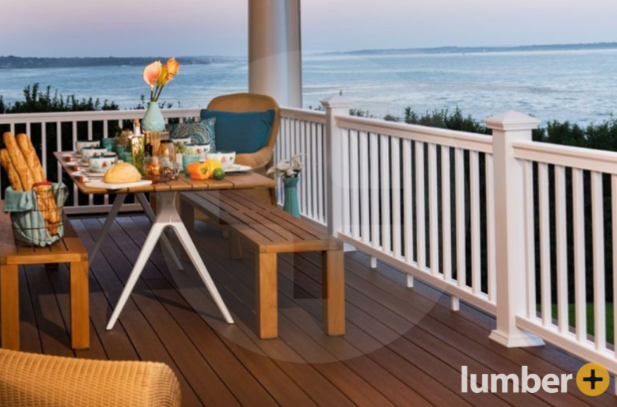
Decks above 30 inches in height must include guardrails that meet specific performance criteria. The deck railing height in the California Building Code requires a minimum of 42 inches for most residential applications. Some municipalities allow 36 inches under specific circumstances, but these exceptions must be approved during plan review.
Baluster Spacing and Stair Systems
Guard systems must prevent a 4-inch sphere from passing through any part of the railing. This applies to both vertical and horizontal systems, including cables and glass. The deck railing height in the California Building Code also extends to stair guardrails, which must meet the same height and strength standards despite being more challenging to align during installation.
Wildfire Zones and Fire-Resistant Construction
In designated Wildland-Urban Interface (WUI) zones, additional regulations apply to decking materials and framing practices. The California building code for decks—especially in wildfire zones—emphasizes ignition-resistant products, enclosed undersides, and limited ventilation openings. These California building code decks regulations help prevent ember intrusion and improve fire resilience. Flame-spread ratings are often required at the time of permit submission, and open gaps beneath the deck may require metal mesh or sealing.
Elevated Decks and Multi-Family Code Requirements

Laws like SB 721 and SB 326 mandate regular inspections of exterior elevated elements in multi-unit buildings. These include walkways, balconies, and decks, which must be constructed with ongoing access and drainage in mind. Waterproofing membranes, proper flashing, and positive slope are now standard, not optional.
Durability and Inspection Standards
In these applications, meeting the baseline building code for decks in California is only the beginning. Inspections will evaluate moisture protection, framing condition, and hardware corrosion. Contractors must build for longevity and accessibility, knowing the deck will be reviewed again years down the line under California building code decks inspection guidelines.
Code-Ready Decking Options from Lumber Plus
Lumber Plus supplies decking materials specifically selected to meet California’s evolving code requirements. Options like dense tropical hardwoods resist ignition in wildfire zones, while capped composites and PVC boards meet joist spacing and fastening guidelines without additional reinforcement. Each product is chosen for its compatibility with required hardware, inspection durability, and long-term structural performance across diverse site conditions.
The Value of Building to Code
Addressing code requirements at the design phase reduces delays, avoids permit rework, and helps projects move through inspection the first time. The building code for decks in California defines measurable performance targets—from railing load to footing depth—and aligning with those standards ensures stability, safety, and approval. Every detail that meets code today helps prevent structural failures and enforcement issues tomorrow.
Build with Confidence Using Lumber Plus Decking Solutions
We carry high-performance materials built to meet California’s deck construction requirements. From coastal climates to hillside developments, our products are designed to support safe, durable, code-ready installations. Contact us today for more information.