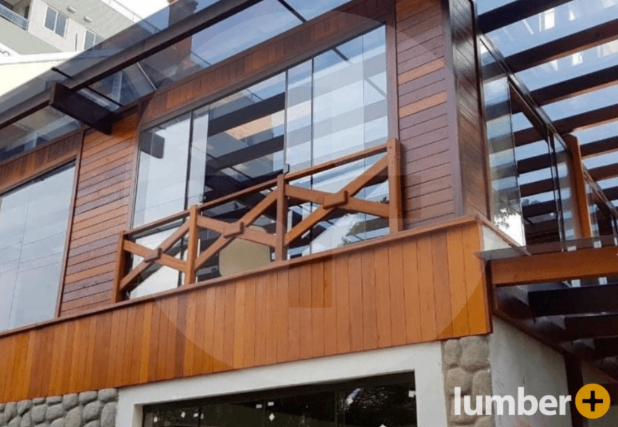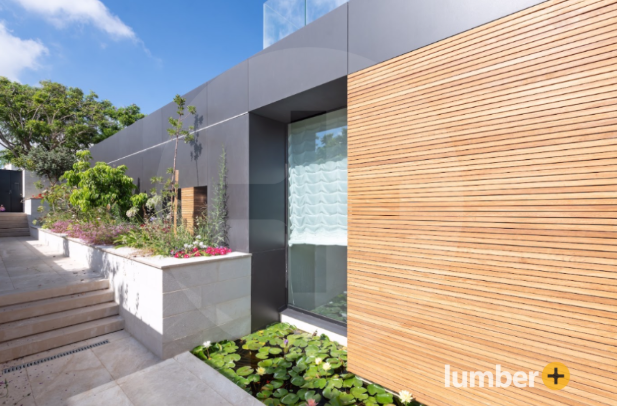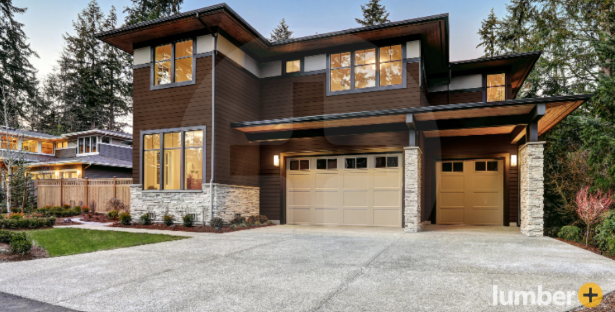
Dark woods continue to influence architectural and design trends thanks to their rich tone, dimensional stability, and finish quality. These species serve both structural and decorative functions in high-end residential and commercial builds. This guide breaks down the most sought-after dark wood types used in modern applications.
What Qualifies as a Dark Wood Type?
The term “dark wood” refers to species whose heartwood naturally presents deep brown, black, or espresso tones without artificial staining. These tones often come from internal oils, tannins, and the aging behavior of the wood when exposed to air and light. Species like walnut, Ipe, and ebony fall into this category due to their color stability and depth.
Popular Dark Wood Types and Their Architectural Qualities
These are the most widely used types of dark wood in modern construction, each offering distinct tone, grain, and installation behavior.
1. Ipe
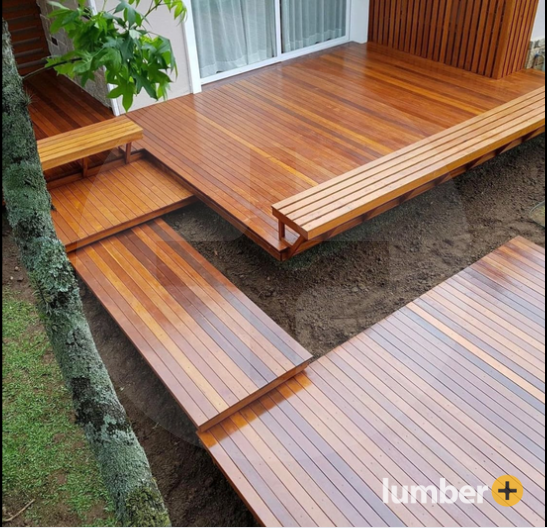
Ipe is renowned for its deep brown to olive tones and exceptional hardness, with a Janka rating over 3,500. This density grants it a lifespan exceeding 40 years when properly sealed, making it ideal for decking, cladding, and high-traffic outdoor environments. FSC-certified Ipe is available through Lumber Plus, ensuring sustainable sourcing.
2. Wenge
Among the boldest dark wood types, Wenge offers dramatic contrast with black-brown banding and coarse texture. It is extremely dense and often used in accents, architectural trim, or furniture details. Its sourcing is limited, so it’s more often specified for interiors.
3. Cumaru
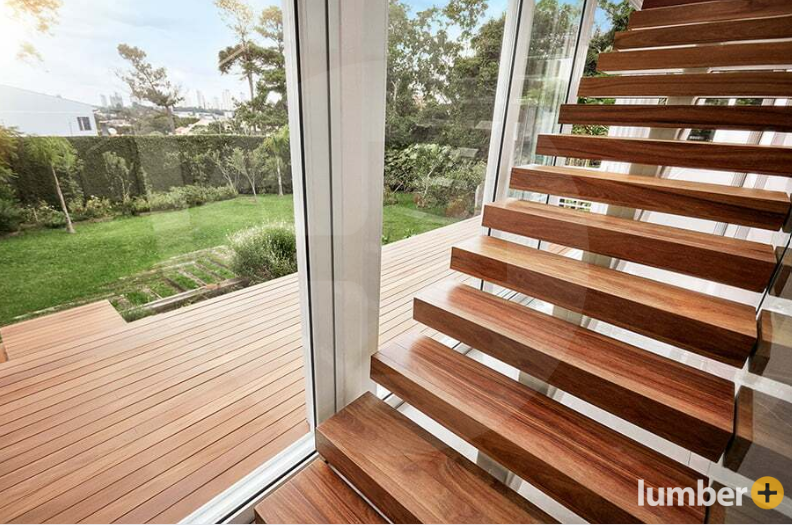
Cumaru presents warm reddish-brown hues with mineral streaks and excellent durability in humid or coastal settings. It’s a reliable choice for decking and rainscreens and offers strong resistance to rot and movement. Lumber Plus offers FSC-certified Cumaru, making it a sustainable option that balances aesthetic appeal with long-term performance.
4. Ebony
Ebony is known for its nearly black core and high density, giving it exceptional dimensional stability. This rare hardwood is often used for small-format design features, instrument details, and sculpted accents due to its strength and visual clarity.
5. Thermally Modified Ash
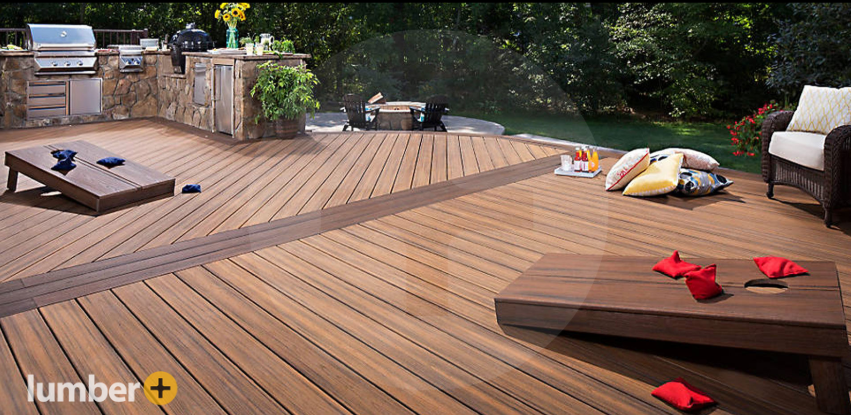
This species undergoes heat treatment to darken its tone and enhance dimensional stability. It installs easily and resists moisture without chemical additives. Lumber Plus offers thermally modified options as a sustainable alternative to tropical hardwoods, providing a rich appearance with reduced environmental impact.
6. Rosewood
Rosewood features a dense, aromatic core and dramatic grain lines that make it a common choice for high-end musical instruments. Its tonal richness and visual depth also lend well to custom flooring and furniture panels.
7. Walnut
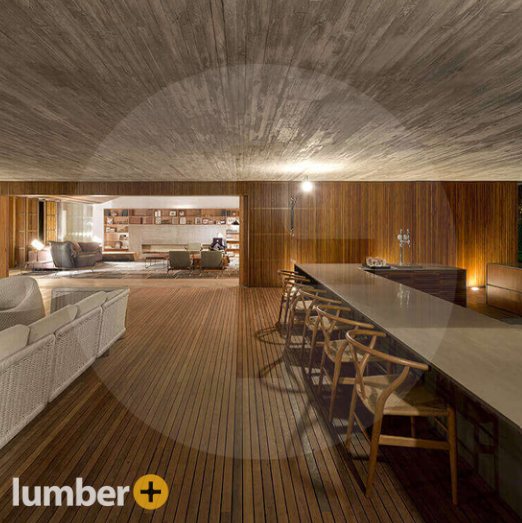
Walnut is a classic interior hardwood with chocolate tones and elegant grain structure. It performs best in indoor paneling, flooring, and millwork. Though softer than tropical species, it holds a finish beautifully and adds visual depth to enclosed spaces.
8. Mahogany
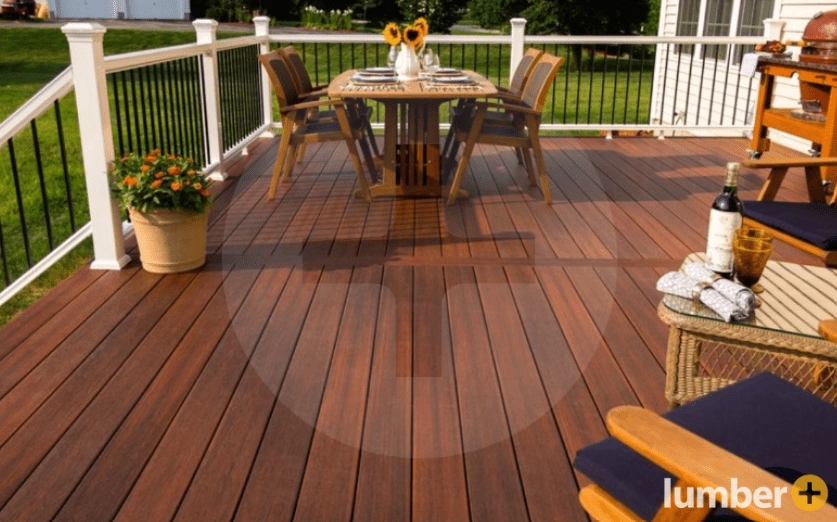
Mahogany’s rich red-brown hues and straight grain make it a favorite for traditional millwork, cabinetry, and protected exterior elements. Khaya and Sapele variants are more readily available and often chosen for finish uniformity and workability.
Designing with Dark Woods: Interior and Exterior Applications
Designers apply dark woods to balance space, create contrast, or introduce natural texture. These materials play a key role in defining tone, rhythm, and structure across exterior and interior environments.
Accent and Framing Strategies
Designers use darker woods as either accents or core materials to create depth and visual consistency. Correct placement makes a measurable difference in proportion and finish. Feature walls, soffits, and outdoor living zones benefit from the visual weight these woods provide.
Functional and Aesthetic Integration
Dark woods draw attention. They ground the design visually and give the space a sense of permanence. Whether framing a fireplace or defining an entryway canopy, they help organize visual hierarchy while contributing to material longevity.
Installation and Material Handling Considerations
Not all dark wood species install the same way. Understanding their mechanical properties is critical for long-term success on-site.
Fastening and Expansion Factors
Dense tropical hardwoods like Ipe require pre-drilling and stainless steel fasteners to avoid splitting or rust. Thermally modified woods need spacing allowances and secure clips to manage movement. Proper installation protects surface integrity and avoids cupping or checking.
Finishing and Maintenance Expectations
These dark wood types react differently depending on sunlight, coating choice, and installation location. Oiled finishes preserve tone but may need reapplication each season. UV-protective sealants reduce fading in exposed applications. Indoor projects using walnut or mahogany often require less upkeep, as direct sunlight is limited.
Sustainable Alternatives and Certified Hardwoods
As demand grows for naturally dark wood species with verified sourcing, many buyers now prioritize low-impact materials.
FSC-Certified Dark Species from Lumber Plus
Lumber Plus offers several high-performance hardwoods that meet this standard, including FSC-certified Ipe and Cumaru. These species offer deep, rich coloration without the need for staining, while also delivering the kind of density and resilience that outdoor applications demand.
Thermally Modified Wood and Domestic Sourcing
Thermal modification deepens color and increases resistance without chemical treatment. These woods resemble tropical hardwoods in tone but come from certified domestic or European forests. They allow for long-term durability without contributing to deforestation or high embodied carbon.
Composite Systems That Mimic Natural Wood Tones
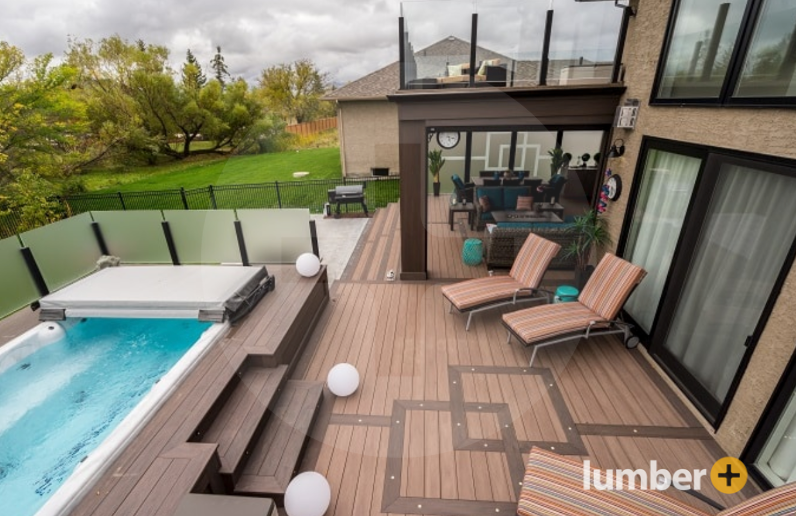
Engineered options are a smart choice when maintenance or budget constraints limit the use of hardwoods. They hold color, resist scratching, and install evenly across residential decks and commercial exteriors. Many of these products are designed to replicate the appearance and surface texture of premium dark wood types, offering visual consistency without the upkeep.
TimberTech Composite Decking
TimberTech offers a range of composite decking options that replicate the look of natural dark woods. The Legacy Collection includes colors like Espresso and Mocha for richly layered visuals. In the Reserve Collection, Dark Roast presents a deep espresso finish layered with high-contrast tonal variation, offering a sophisticated surface that echoes the complexity of aged hardwood.
Fiberon Composite Decking
Fiberon composite decking offers wood-like character with low maintenance requirements. Collections like Concordia®, Sanctuary®, and Good Life® feature multi-tonal finishes in rich colors such as Espresso, Burnt Umber, and Bungalow. Each board includes PermaTech® surface protection to resist fading, staining, and wear over time.
Choose Lumber Plus Products for Long-Term Exterior Performance
Selecting the right types of dark wood or composite can improve both finish longevity and visual consistency. Dense hardwoods reduce repairs. Color-stable products maintain finish integrity. Contact us today for more information.